
Boosting Child Independence: A Practical Guide for Parents

What if your child could confidently navigate life's challenges, make thoughtful decisions, and tackle problems head-on? Child independence isn't just about teaching kids to tie their shoes or pack their lunch—it's about empowering them with the skills they need to thrive in an ever-changing world. Whether you're watching your toddler insist 'I can do it myself!' or guiding your teenager through complex decisions, fostering independence is a journey that shapes your child's future success. In th
Listen to this Article
What if your child could confidently navigate life's challenges, make thoughtful decisions, and tackle problems head-on? Child independence isn't just about teaching kids to tie their shoes or pack their lunch—it's about empowering them with the skills they need to thrive in an ever-changing world. Whether you're watching your toddler insist 'I can do it myself!' or guiding your teenager through complex decisions, fostering independence is a journey that shapes your child's future success. In this comprehensive guide, we'll explore practical strategies and real-world examples that transform everyday moments into opportunities for building confidence, resilience, and self-reliance. Ready to help your child spread their wings? Let's dive in.
Why Child Independence Matters: Setting Your Children Up for Success
Raising independent children is more than just a parenting goal; it's an investment in their future well-being. Independent children are better equipped to handle life's challenges, make responsible decisions, and build strong, healthy relationships. They develop greater self-confidence, self-esteem, and a strong sense of self-efficacy.
They're more likely to succeed academically, professionally, and personally. In today's complex world, independence isn't just desirable; it's essential for a child's success and happiness.
It empowers them to become self-directed, responsible individuals capable of thriving in an ever-changing environment. Let's explore the key components:

- Self-Reliance: This goes beyond simply doing things alone; it's about having the confidence and competence to tackle challenges independently, find solutions, and rely on one's own resources. This involves developing resourcefulness and problem-solving skills, teaching children to think critically and creatively to overcome obstacles. A child who independently solves a minor technical issue with a toy or a computer game is demonstrating self-reliance.
- Responsibility: Taking ownership of one's actions and learning from mistakes is crucial for developing a strong sense of responsibility. This involves understanding the consequences of choices and learning from both successes and failures. Assigning age-appropriate chores and responsibilities helps build this important trait. A child who takes responsibility for completing their homework or tidying their room demonstrates this.
- Decision-Making: Developing strong decision-making skills empowers children to make informed choices, weighing options and considering consequences. This involves critical thinking, evaluating information, and making sound judgments. Giving children age-appropriate choices, even small ones, helps them practice this essential skill.
- Confidence: Belief in one's abilities and a positive attitude towards challenges are essential for building confidence. This involves self-esteem, self-belief, and a willingness to try new things, even if they might fail. Encouraging children to take on age-appropriate challenges, celebrating small achievements, and praising effort reinforces self-belief.
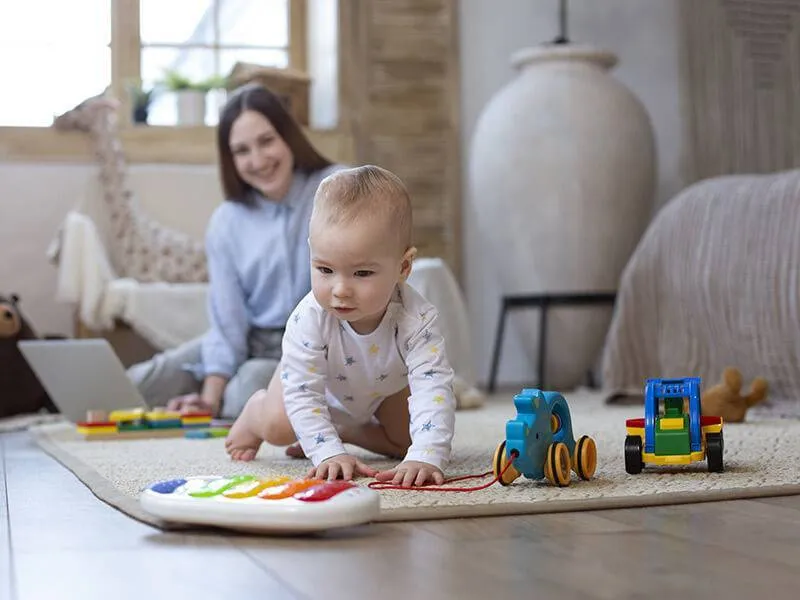
- Resilience: The ability to bounce back from setbacks and learn from experiences is crucial for navigating life's inevitable challenges. Allowing children to experience age-appropriate challenges and supporting them through setbacks helps build resilience. This involves teaching children to persevere, adapt to change, and learn from their mistakes.
Practical Strategies for Fostering Child Independence: A Canadian Parent's Guide
The journey to independence is unique to each child, but these strategies can guide their development at every stage. Remember, consistency and patience are key—it's a marathon, not a sprint! The key is to find a balance between providing support and encouraging self-reliance, allowing children to develop at their own pace.
Toddlers and Preschoolers (Ages 2-5): Nurturing Early Autonomy
Even toddlers can begin their journey towards independence! Start with simple choices: picking out clothes, selecting healthy snacks, choosing a bedtime story. These small decisions build autonomy and a sense of control. Gradually introduce age-appropriate chores: putting away toys, helping with simple tasks. Praise their efforts and encourage persistence, focusing on the process rather than perfection.

Elementary School (Ages 6-12): Expanding Responsibilities and Building Confidence
Elementary school children are ready for more responsibilities. Involve them in age-appropriate chores: setting the table, helping with meal preparation, packing lunches. Encourage participation in extracurricular activities and help them develop effective time management skills for homework. Allow them to make more decisions: choosing weekend activities, helping plan family outings.
Tweens and Teens (Ages 13-18): Preparing for Adulthood and Greater Independence
Teenagers are on the cusp of adulthood and need increasing levels of independence. Encourage them to manage their own schedules, including homework, extracurriculars, and social events. Teach essential life skills: doing laundry, managing a small allowance, contributing to household chores. Open communication is crucial; create a safe space for discussing challenges and successes.
In the article " The Interaction Between Children's Developmental Capabilities and the Courtroom Environment: The Impact on Testimonial Competency" the Canadian government explains all development areas of children however in the Court System as a witness and its impact on their development
Beyond the Chores: Developing Essential Life Skills for Child Independence
Developing independence involves more than just completing tasks; it's about fostering crucial life skills that will serve your child well throughout their lives.
- Decision-Making Skills: Guide them through the decision-making process, helping them weigh options, consider consequences, and learn from mistakes.
- Problem-Solving Skills: Encourage them to find solutions to their own problems, offering support and guidance rather than immediate answers.
- Time Management Skills: Help them develop effective time management strategies, learning to prioritize tasks and manage their time effectively.
- Communication Skills: Foster open communication; encourage them to express their needs and feelings clearly and respectfully.
- Critical Thinking Skills: Encourage questioning, analyzing information, and forming their own opinions.
- Financial Literacy: Teach them basic financial concepts like budgeting, saving, and spending wisely.
Furthermore, when children are given the opportunity to take care of themselves, they gain a sense of independence and confidence in their ability to handle tasks on their own.This can be a big boost to their self-esteem and help them feel more capable and in control of their own lives. It also prepares them for future challenges and responsibilities, such as managing their own schedules and taking care of themselves when they leave home. Check out " when children should start getting themselves up and ready for school" for more insights.
Creating a Supportive Environment: Nurturing Independence
A supportive environment is crucial for fostering independence. This means providing a safe space for exploration, experimentation, and learning from mistakes. It requires consistent encouragement, positive reinforcement, and a growth mindset—focusing on effort and progress rather than solely on outcomes.
- Growth Mindset: Encourage effort and persistence over perfection.
- Positive Reinforcement: Praise effort and progress, not just results.
- Parent-Teacher Collaboration: Work together to support your child's development.
- Safe Space for Risk-Taking: Allow children to explore and learn from mistakes.
Real-Life Examples: Putting it All Together

Let's illustrate how to put these strategies into action:
- The "I Can Do It Myself!" Phase: Embrace your toddler's desire for self-sufficiency.
- Learning from Mistakes: Use mistakes as learning opportunities.
- Negotiating Chores and Allowances: Involve children in discussions about household chores and allowances.
- Collaborative Projects: Engage in joint projects that require problem-solving and decision-making.
Empowering Your Child for a Brighter Future
Fostering child independence is an ongoing process requiring patience, understanding, and consistent effort. By creating a supportive environment, providing opportunities for choice and responsibility, and encouraging problem-solving, you empower your child to become a confident, capable, and self-reliant individual, ready for life's challenges. Remember, every child develops at their own pace. Celebrate their progress, offer unwavering encouragement, and trust in their ability to grow and thrive.
About the Author
Mary Abbasi
Contributing writer at KinderPage, sharing insights about childcare and early childhood education in Canada.
Frequently Asked Questions
Why is fostering independence in children so important?
What are some key elements of child independence?
How can I foster independence in toddlers and preschoolers (ages 2-5)?
What strategies can I use to promote independence in elementary school children (ages 6-12)?
How can I support my teenagers (ages 13-18) in developing independence?
Beyond basic tasks, what specific life skills are important to develop for child independence?
What are some real-life examples of fostering independence in children?
Related Articles
Continue reading about childcare and early education


