

Age Appropriate Chores for Kids: The Ultimate Guide to Building Responsibility!

Navigating the world of parenting, one of the key lessons to impart is responsibility, and what better way to do this than through age-appropriate chores for kids. This approach not only helps in keeping the house organized but also plays a crucial role in the developmental journey of a child. Assigning tasks that align with their age and abilities teaches them the value of hard work, discipline, and contributing to the family unit. For younger c...
Age appropriate chores for kids form the foundation of teaching responsibility in parenting. This approach not only keeps your home organized but plays a crucial role in your child's development. Assigning duties that match your children's abilities teaches them the value of hard work, discipline, and contributing to the family unit.
For younger kids, simple activities like putting away toys can instill a sense of accomplishment, while older children develop complex abilities through more challenging household tasks. This method isn't just about getting help around the house; it prepares them for real-world challenges, fosters independence, and builds a strong work ethic for adulthood.
Understanding the Importance of Age-Appropriate Chores for Kids
Responsibilities tailored to a child's capabilities are pivotal in their journey toward becoming responsible adults. It's more than sharing household chores; it's strategic child development. These assignments foster responsibility, self-esteem, and essential life skills, giving them purpose and achievement during formative years.
The Role of Home Responsibilities in Child Development
In child development, age-appropriate tasks play a multifaceted role. They're not just about a tidy home; they're crucial for developing a sense of responsibility and self-worth. For younger ones, domestic jobs like sorting laundry or helping set the table work well. As children grow, the complexity evolves, aligning with their increased capabilities and building confidence and independence.Children learn valuable life skills when they help around the house. From early as age three, kids can understand the importance of contributing to family life. When children help with small household tasks, they develop competence and belonging within the whole family.
Balancing Challenge and Ability
When assigning housework, balancing difficulty with the child's ability is key.
Challenge them enough to stay engaged and motivated without causing frustration. This ensures that responsibilities are achievable goals rather than overwhelming obstacles.Creating a chore chart helps children visualize assignments and track progress. These visual reminders make it easier to remember duties and provide satisfaction when completed. Setting expectations clearly ensures each duty is done properly and helps children become competent over time.
Home Responsibilities for Toddlers: Building Blocks of Accountability
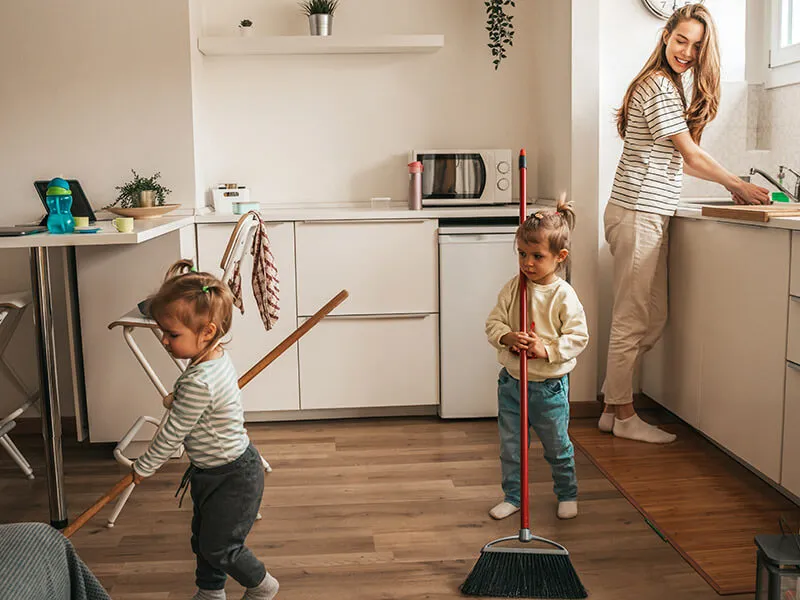
Introducing toddlers to age-appropriate duties lays the foundation for lifelong responsibility. At this tender age, it's about learning through participation. Simple assignments develop motor skills, instill accomplishment, and set the stage for more complex contributions later.
Simple Duties for Small Hands
For toddlers, keeping household jobs simple and achievable works best. Appropriate activities include picking up toys, putting dirty clothes in a hamper, or helping wipe surfaces.

These suit their developing motor skills and short attention spans.Young kids can:
- Put toys away in bins
- Help make their beds (with supervision)
- Wipe up small spills
- Help feed pets (with supervision)
- Place dirty clothes in the hamper
These simple responsibility help toddlers learn responsibility in a manageable way. Completing these small assignments helps them understand the concept of helping and the satisfaction of accomplishment.
Making Household Contributions Fun and Engaging
For little ones, transforming home duties into fun is essential. Convert responsibilities into games to increase participation. Singing while tidying, counting items, or turning laundry into a sorting game makes domestic work enjoyable.When you transform necessary housework into play, children are more motivated. This enhances the experience and reinforces learning.
By infusing fun into chores, parents not only cultivate a positive attitude towards responsibility from an early age but also create a supportive environment that can help address and mitigate aggressive behavior in toddlers. This sets the stage for more enthusiastic participation as children grow.
Domestic Responsibilities for Preschoolers: Encouraging Independence
As children enter preschool, well-chosen assignments foster independence and decision-making. These activities offer opportunities to learn new skills and build confidence. Introducing slightly more complex household jobs encourages autonomy within a safe environment.
Age-Appropriate Assignments for Preschoolers
When selecting duties for preschoolers, consider their improved coordination and longer attention spans. Activities like setting the table, watering plants, or putting away groceries work well.
These help them follow directions and feel accomplished.Preschoolers are capable of accomplishing:
- Setting the table with napkins and silverware
- Helping to clear dishes (non-breakable items)
- Watering plants
- Sorting clean socks
- Assisting with grocery shopping items
- Dusting low furniture
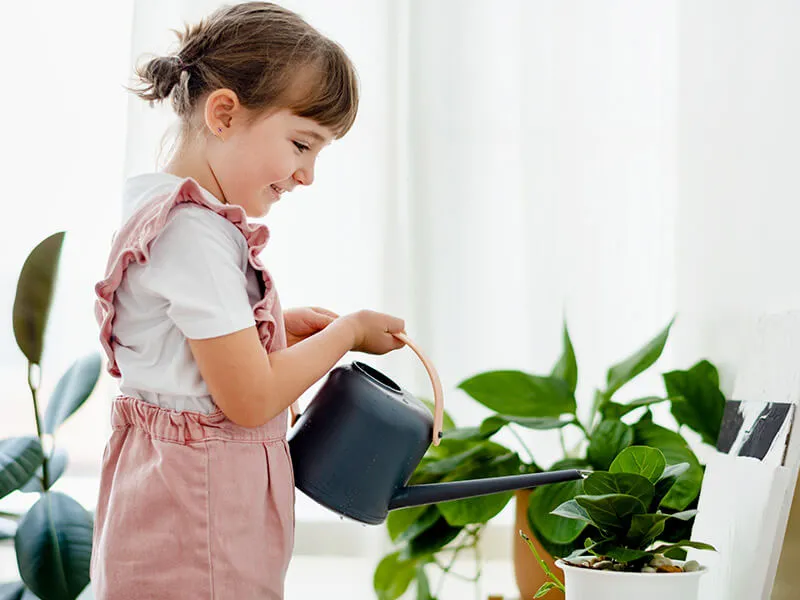
These household contributions offer the right challenge level to keep them engaged without frustration, reinforcing their understanding of responsibility.
Encouraging Self-Efficacy through Household Tasks
Preschoolers build self-efficacy through regular contributions, strengthening belief in their abilities and self-esteem. Positive feedback and celebrating small achievements are crucial. Allowing choices in household obligations enhances decision-making skills.When they complete daily chore list successfully, they develop higher self-esteem and become better equipped to handle new challenges. This empowerment fosters confidence and independence as they grow.
Elementary Age Household Jobs: Fostering Accountability
School-aged children are ready for more responsibility and involvement in family contributions. They learn to take ownership of their assignments and understand how their efforts benefit everyone. These years are crucial for developing accountability and pride in their work.
Domestic Work to Build Responsibility and Teamwork
For elementary-age children, the focus shifts to nurturing individual responsibility and teamwork. Household tasks like meal planning, organizing school supplies, and group duties like yard work teach sustained accountability and planning.School age kids can handle:
- Loading or emptying the dishwasher
- Helping with meal preparation
- Taking out trash or recycling
- Folding and putting away laundry
- Caring for pets independently
- Keeping their rooms tidy
- Participating in grocery shopping
These shared responsibilities lighten the workload while fostering cooperation and communication. Working alongside helping their parents creates opportunities for quality family life while building important capabilities.
Reward Systems and Positive Reinforcement
For elementary-aged youth, introducing reward systems transforms how they perceive housework.
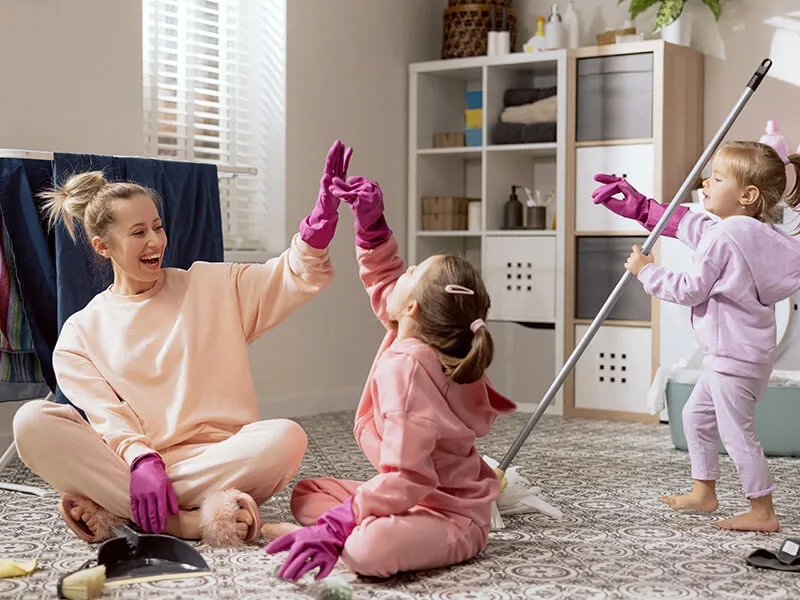
Creating a system where completed assignments lead to rewards like extra playtime or allowance can effectively motivate children.Many parents find that pocket money serves as an excellent motivator, while others prefer non-monetary incentives. Consistent positive feedback reinforces their desire to contribute and take initiative, boosting confidence and responsibility.
Household Responsibilities for Teenagers: Cultivating Life Skills
For teenagers, meaningful domestic contributions develop essential capabilities for adulthood. This stage prepares them for adult responsibilities and challenges through practical experience.
Preparing Teens for Adulthood with Advanced Household Tasks
Introducing advanced domestic work during the teenage years (13-18) prepares them for adult responsibilities. Experiences like managing budgets, cooking family meals, or handling home improvements provide invaluable practical training.
Teenagers are capable of nearly any household job adults can do, including:
- Planning, shopping for, and preparing family meals
- Managing portions of the family budget
- Performing deep cleaning
- Supervising younger siblings (with oversight)
- Helping with car maintenance
- Handling complex home repairs

These experiences offer glimpses into real-life scenarios, developing skills essential for their future endeavors in education, careers, and personal life.
Balancing Home Duties with Academic and Social Responsibilities
An important lesson for teenagers to learn is balancing multiple priorities. Navigating between household obligations, academic commitments, and social activities builds crucial organizational skills.This balance teaches prioritization, time management, and maintaining life equilibrium. Parents can guide teens in creating schedules that accommodate various aspects of their lives, helping them develop into well-rounded individuals prepared for adult challenges.
Explore the Perfect Childcare Solution with Ease
While you're doing a fantastic job teaching your kids responsibility through age appropriate chores, there's another piece of the puzzle in their developmental journey - finding the right childcare. Recognizing this need, KinderPage.ca offers a helping hand to parents across Canada.
Our extensive directory is designed to connect you with the ideal childcare options, ensuring your little ones continue to flourish in a nurturing environment. Whether it's fostering creativity in toddlers or supporting the educational journey of school-aged children, we're here to help you find the perfect match for your family's unique needs. Let us be a part of your journey in raising happy, well-rounded children.
Embracing the Journey of Building Responsibility
Integrating age-appropriate household tasks into children's daily routines is a profound investment in their future. This practice goes beyond maintaining an orderly home; it's foundational for raising capable individuals who understand responsibility and possess essential life skills.As children progress from simple duties to more challenging responsibilities, they develop resilience, self-reliance, and a strong work ethic.
This journey, shared and supported by parents, shapes confident and competent adults.Through a thoughtful list of age-appropriate tasks that grows with your child, you provide valuable life lessons contributing to their holistic development. By encouraging children to help around the house from an early age, parents instill lifelong capabilities beyond household management—they're helping their children become competent adults ready for whatever life brings their way.
About the Author
Mary Abbasi
Contributing writer at KinderPage, sharing insights about childcare and early childhood education in Canada.
Related Articles
Continue reading about childcare and early education


