

Why First Aid is Essential for Child Care Providers

As a childcare provider or daycare worker, you play a vital role in keeping children safe and healthy. From minor scrapes to serious emergency situations, being prepared with first aid for childcare knowledge empowers you to respond effectively when accidents happen.
Imagine this: a toddler in your care starts choking during snack time, a preschooler falls and suffers a deep cut, or a child accidentally touches a hot surface and gets burned. What you do in those critical first moments can make all the difference.
Having first aid and CPR skills isn't just about reacting—it's about staying calm and providing proper care when it's needed most.This guide is designed specifically for those working in child care environments, helping you build the knowledge and confidence to manage injuries and emergencies that commonly occur in daycare settings.
The Value of First Aid Certification for Childcare Providers
Children are naturally curious explorers who often find themselves in situations that can lead to injuries. According to safety statistics, most childhood injuries occur in places where kids spend significant time, such as homes and daycare centers. While prevention is key, accidents still happen, and being equipped with first aid training ensures you can respond effectively.When you complete a first aid and CPR course, you can:
- Act quickly and confidently in emergencies to provide immediate care before professional help arrives
- Recognize the severity of injuries, distinguishing between minor issues and situations that need urgent medical attention
- Create a safer childcare environment through improved injury prevention skills and knowledge
- Build trust with parents by demonstrating your commitment to their child's safety and well-being
- Meet worker safety requirements and provincial regulations for child care providers
- Obtain certification that may be required for your professional license
Many provinces require daycare providers to maintain valid first aid certification. These courses typically include CPR Level B training and instruction on using an AED (Automated External Defibrillator). Upon successful completion of a course, you'll receive a certificate that remains valid for three years before requiring renewal.
Common First Aid Scenarios in Childcare Settings
Daycare environments present unique first aid challenges that require specific knowledge and quick thinking. Being prepared with emergency child care first aid skills for these common scenarios can help you respond effectively and minimize the impact of injuries when they occur.
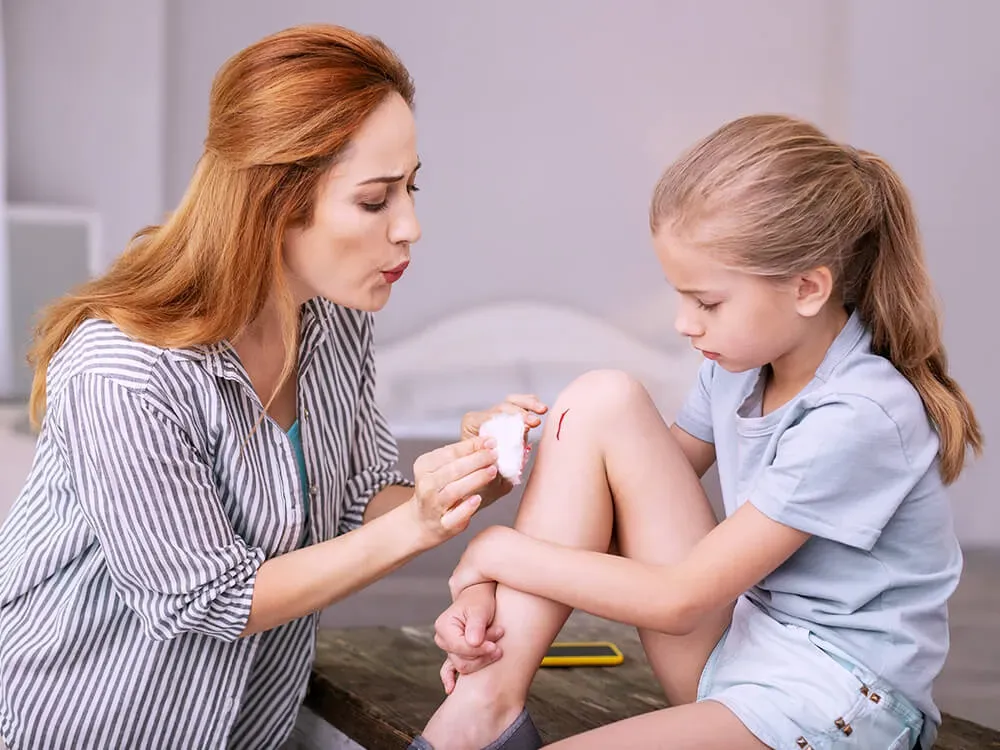
Treating Cuts and Scrapes
Cuts and scrapes are among the most frequent injuries in a childcare setting. With active children running, playing, and exploring, these incidents are bound to happen. Knowing how to handle bleeding properly ensures faster healing and reduces infection risk.Steps to Treat Minor Cuts and Scrapes:
- Assess the Injury: Determine the wound's depth and check for embedded debris
- Clean the Wound: Wash thoroughly with mild soap and cool running water
- Apply Antiseptic: Use a small amount of antiseptic ointment to prevent infection
- Bandage the Wound: Cover with a clean bandage that fits properly
- Monitor for Infection: Watch for increasing redness, swelling, or discharge
For deeper cuts or wounds with significant bleeding, apply firm pressure with a clean cloth and seek professional medical help immediately.
Handling Nosebleeds Effectively
Nosebleeds occur frequently in children and can be alarming, but they're usually not serious. Staying calm and following these steps can stop the bleeding quickly:
- Have the Child Sit Upright: Keep them seated with head slightly forward
- Apply Pressure: Pinch the soft part of the nose firmly for 10-15 minutes without interruption
- Use a Cold Compress: Apply ice to the bridge of the nose to constrict blood vessels
- Encourage Rest: After bleeding stops, have the child avoid strenuous activity
If bleeding continues beyond 20 minutes or is unusually heavy, seek medical attention promptly.
Understanding and Treating Burns in Childcare Settings
Burns require immediate attention and proper assessment. As a childcare provider, knowing how to identify burn severity and provide appropriate first aid is essential.Types of Burns and Treatment Approaches:
- First-Degree Burns: Affecting only the outer skin layer, causing redness and pain
- Cool under running water for 10-20 minutes
- Cover with a clean, sterile bandage
- Never apply ice, butter, or ointments initially
- Second-Degree Burns: Affecting deeper skin layers with blistering and intense pain
- Cool with water (not ice)
- Cover loosely with sterile dressing
- Do not break blisters
- Seek medical attention
- Third-Degree Burns: Severe burns affecting all skin layers
- Call emergency services immediately
- Do not apply water or remove clothing stuck to the burn
- Cover loosely with clean, dry dressing if available
The latest first aid and CPR guidelines emphasize cooling burns with water rather than ice to prevent further tissue damage.
CPR and AED: Life-Saving Skills for Child Care Providers
Cardiopulmonary resuscitation (CPR) is one of the most critical skills in your first aid toolkit. This life-saving technique is used when a child's heart stops beating or they stop breathing. The Canadian Red Cross and other training organizations offer specialized courses focusing on child and infant CPR techniques.
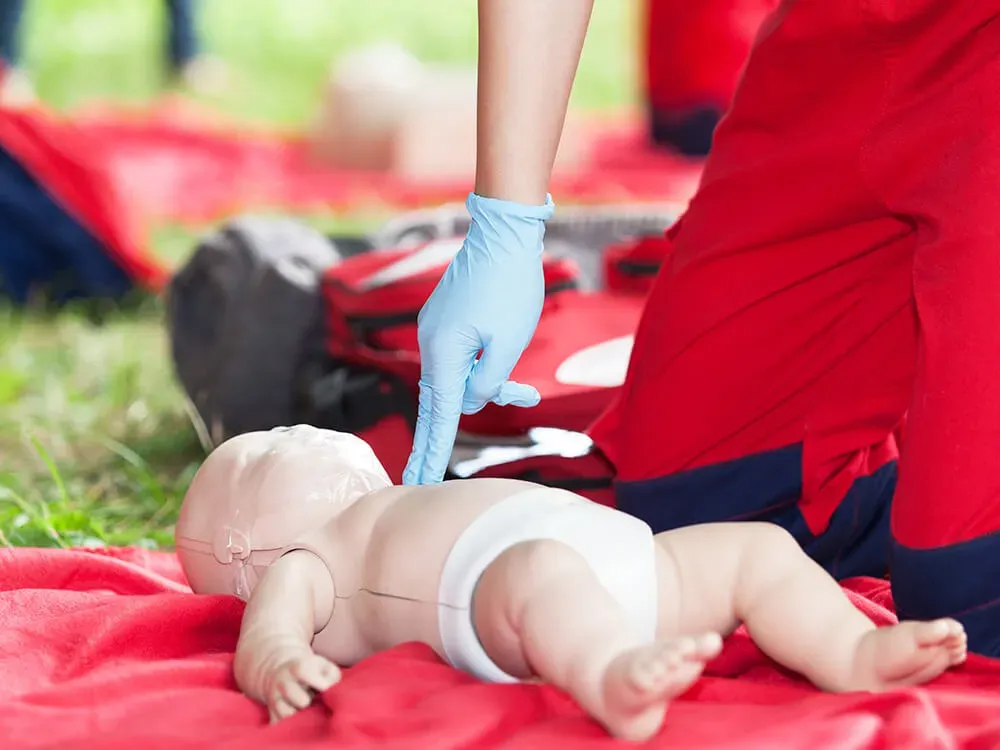
When CPR is Needed:
- Unresponsiveness to voice or touch
- Absence of normal breathing
- No detectable pulse
Age-Specific CPR Approaches:
- For Infants: Use two fingers for chest compressions
- For Children: Use one or two hands based on child's size
- For Adults: Use two hands with interlocked fingers
AED devices are becoming more common in childcare settings. These machines can analyze a person's heart rhythm and deliver an electric shock if needed. Many standard childcare first aid courses include CPR and AED training specific to children and infants.Completing certification ensures you're prepared for cardiovascular emergencies. Most courses combine classroom learning with hands-on practice supervised by qualified instructors.
Recognizing and Responding to Choking
Choking is a frequent urgency in childcare settings as young children often put objects in their mouths. Recognizing the signs of choking and knowing how to respond can save lives.
Signs of Choking:
- Inability to speak, cry, or make sounds
- Clutching at the throat (universal choking sign)
- Weak or ineffective coughing
- Bluish skin color, particularly around lips and face
Responding to a Choking Emergency:
- For Infants:
- Position the baby face-down along your forearm
- Deliver 5 back blows between the shoulder blades
- If unsuccessful, turn baby over and perform 5 chest thrusts
- Continue alternating until the object is expelled or emergency help arrives
- For Children:
- Stand behind the child and perform appropriate abdominal thrusts
- For a small child, kneel down to their level
- Continue until the object is dislodged or emergency services arrive
Many first aid topics related to choking focus on prevention strategies, like proper food preparation and identifying common choking hazards in childcare environments.
Building a Comprehensive First Aid Kit for Your Childcare Center
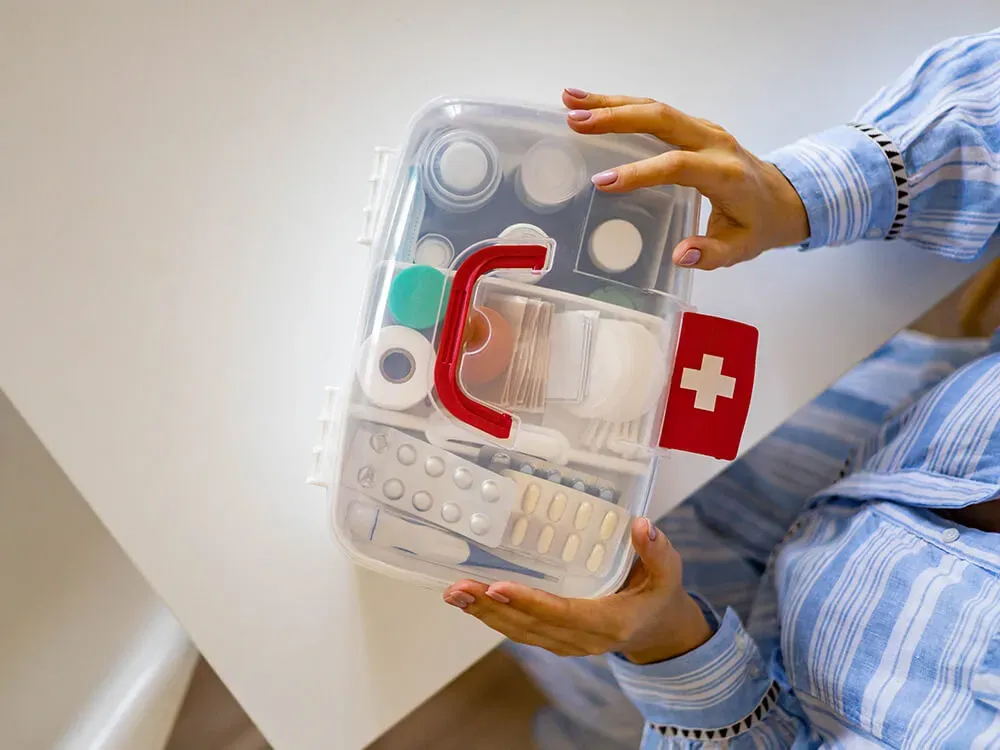
Every childcare facility should maintain a well-stocked first aid kit. Based on first aid and CPR guidelines, your kit should include:
- Adhesive bandages in various sizes
- Sterile gauze pads and rolls
- Adhesive tape
- Antiseptic wipes and solution
- Disposable gloves
- Scissors and tweezers
- Cold packs
- Triangular bandages for slings
- First aid manual
- Urgency contact information
- Children's health information
- Medication tracking forms
Keep your kit easily accessible but out of children's reach, and check regularly to replenish supplies and replace expired items.
Getting Certified: First Aid for Childcare Providers
While this guide provides valuable information, nothing replaces proper training. Standard childcare first aid courses are specifically designed to address the unique needs of children in care settings.These courses typically cover:
- CPR for different age groups
- Responding to common childhood injuries
- Managing choking and breathing emergencies
- Preventing disease transmission
- Recognizing serious illnesses
- Managing wounds and bleeding
- Handling head injuries
Most certification programs offer two-day course options, with recertification needed every three years. To register for training, contact organizations like the Canadian Red Cross that offer specialized child care first aid and CPR courses.The successful completion of these courses provides you with valuable skills and knowledge while meeting provincial regulations for childcare providers.
Prevention: The Best First Aid Strategy
While responding to emergencies is crucial, preventing them is even better. As a childcare provider, incorporate these injury prevention strategies:
- Conduct regular safety checks of your facility
- Secure furniture that could tip over
- Keep dangerous items out of reach
- Supervise children closely during activities
- Create age-appropriate play spaces
- Maintain proper child-to-staff ratios
- Learn to recognize potential hazards
- Develop and practice emergency response plans
First aid training often includes injury prevention skills and knowledge that can significantly reduce accident risks in your childcare environment.
Ready to show parents your commitment to child safety? List your center on KinderPage, Canada's comprehensive childcare directory. As you enhance your first aid skills, also enhance your center's visibility! Parents searching for childcare providers value safety-conscious facilities that prioritize emergency preparedness. Join the KinderPage community today and connect with other providers who share your dedication to creating safe environments for children. Your expertise in first aid is another quality feature worth showcasing to prospective families!
Disclaimer:
This information is for educational purposes only and does not replace professional medical advice or training. Always seek certified first aid training and consult medical professionals in emergencies.
About the Author
Mary Abbasi
Contributing writer at KinderPage, sharing insights about childcare and early childhood education in Canada.
Related Articles
Continue reading about childcare and early education


