
Morning Routine for Kids: A Parent's Guide to Stress-Free School Days

As parents, we've all been there—rushing through the early hours, scrambling to get ready for school, and barely having a moment to catch our breath. Creating an effective daily schedule for children doesn't have to feel like an impossible task. What if, with a little planning and some simple changes, you could transform chaotic school mornings into a stress-free start to your family's day?This isn't just wishful thinking; it's entirely possible. In Canada, where school typically starts betw
Listen to this Article
As parents, we've all been there—rushing through the early hours, scrambling to get ready for school, and barely having a moment to catch our breath. Creating an effective daily schedule for children doesn't have to feel like an impossible task.
What if, with a little planning and some simple changes, you could transform chaotic school mornings into a stress-free start to your family's day?This isn't just wishful thinking; it's entirely possible.
In Canada, where school typically starts between 8:00-9:00 AM depending on your province, families have discovered proven strategies to create a good morning routine that gets everyone out the door on time while setting a positive tone for the day. We're not just talking about getting your children to school on time—we're talking about building a consistent routine that leaves everyone feeling prepared and confident.
Your Daily Success Begins the Night Before
The secret to smooth school preparation lies in evening planning—a strategy that saves time and reduces morning stress significantly. From setting out clothes to prepping the lunch box, nighttime organization creates the foundation for successful morning routine for kids.
This approach is particularly valuable for Canadian families dealing with seasonal clothing changes and varying winter preparation needs.Evening preparation transforms your family's morning routine by eliminating decision-making when everyone's still waking up.
Whether you're laying out snow pants for a January day in Winnipeg or summer clothes for Vancouver, planning ahead gives you precious time in the morning and peace of mind. Simple acts like organizing the backpack with homework, preparing lunches the night before, and checking weather forecasts for appropriate clothing choices create a clear routine that works.
When Canadian parents establish evening habits, the benefits extend beyond time-saving. Well-rested families who wake up with organized plans experience less stress, which sets the mood for the entire household. Children pick up on their parents' calm energy and feel more secure knowing what to expect. This approach helps everyone take on the day with confidence, whether facing a -30°C Winnipeg morning or rainy Vancouver drizzle.

Assessing Your Current Morning Routine for Kids
Before improving your daily schedule, conduct an honest assessment of your current school preparation routine. In Canadian households, common challenges include dealing with seasonal weather changes, managing hockey equipment or music instruments, and coordinating different school start times for multiple children.
If you're considering childcare options to help your child with early preparation, Kinderpage offers a comprehensive directory of licensed providers across Canada that could support your family's needs.
Take a week to track your kids morning schedule, noting when everyone wakes up, how long different morning tasks take, and what obstacles create delays.
Are you consistently feeling rushed because of time spent searching for winter boots? Do backpack checks reveal missing homework? Understanding your current routine for school mornings reveals specific areas for improvement.
Statistics Canada reports that 54% of Canadian families with children under 12 experience daily morning stress. Common stress points include finding appropriate seasonal clothing, preparing nutritious breakfasts that children will actually eat, and managing the transition from warm houses to cold vehicles during winter months.
By identifying what needs to get done and when delays typically occur, you can take the guesswork out of your early hours and create systems that help your child needs get met smoothly.
The Benefits of a Well-Planned Kids' Schedule
A thoughtfully designed daily routine offers profound benefits beyond punctuality. According to Health Canada research, children who follow consistent routines show improved emotional regulation and better academic performance. The structure provides security that helps children navigate daily transitions with confidence.

Canadian families particularly benefit from routine during long winters when daylight is limited and seasonal mood changes affect energy levels. A well-planned schedule ensures children receive adequate nutrition, maintain personal hygiene habits like regular teeth brushing, and arrive at school ready for the day regardless of weather conditions.
According to the CDC, sufficient sleep is crucial for cognitive function, making your bedtime routine essential for successful school days. A calm, stress-free start sets the tone for learning and reduces anxiety for both parents and children.For more insights on how rest impacts learning, check out our article on How Sleep and Learning in Children Are Connected.
Creating Your Morning Routine Checklist
A routine chart customized for your family's needs and Canadian lifestyle becomes your roadmap for smooth school preparation. Whether you have toddlers and preschoolers or school-age children, a visual routine helps everyone know what needs to get done. Canadian families often include weather-checking and seasonal clothing selection as essential checklist items.For parents wondering about age-appropriate independence, this resource on What Age Should A Child Get Themselves Up and Ready For School? offers valuable guidance.
Sample Family Checklist
Here's an age-appropriate guide adapted for households:
| For Young Children (Ages 3-6): | For Elementary Students (Ages 7+): |
|
|
A morning routine checklist serves as your roadmap for smooth school preparation. Whether you have toddlers and preschoolers or school-age children, having a visual routine helps everyone know what needs to get done.
Want a complete printable checklist? Download our free, age-specific Morning Routine Checklist designed for Canadian families - includes seasonal considerations and special needs adaptations.
Age-Specific Schedules for Different Developmental Stages
Creating effective children's routines requires understanding that younger children and older children have different capabilities. A 2 year old in a Canadian family needs help with complex winter clothing, while a 10-year-old can independently check weather apps and choose appropriate gear.
Early Schedules for Toddlers and Preschoolers
Young children aged 2-5 need simple, consistent routines with substantial parental support. For Canadian toddlers and preschoolers, consider seasonal variations:
- Keep routines simple with visual routine charts featuring pictures
- Prepare weather-appropriate clothing the night before
- Use timer can help make tasks feel like games ("Can you put on your mittens before the timer goes off?")
- Maintain positive tone for the day with hugs and encouraging words
- Practice seasonal tasks like zipping coats during low-pressure times
School Preparation for Elementary Students
Older kids (ages 6-10) can take on more responsibility while learning important Canadian life skills:
- Teach independence in tasks like putting on appropriate seasonal clothing
- They can make breakfast with guidance on nutrition basics
- Help your child pack their own lunchbox with balanced choices
- Create systems for dental care and personal hygiene
- Use a reward system for completing routines independently
- Introduce weather awareness and appropriate clothing choices
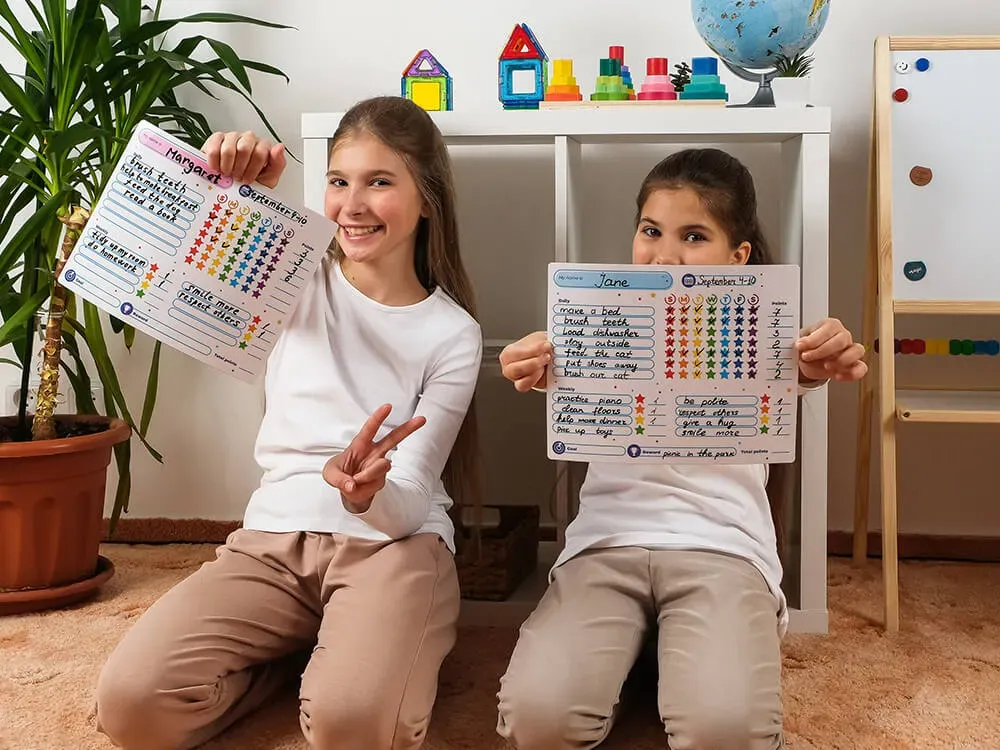
Daily Independence for Teens
Older children need schedules respecting their growing independence while ensuring school success:
- Allow significant input in creating their new morning routine
- Focus on time in the morning management and planning skills
- Encourage self-care practices including mental health awareness
- Support consistent sleep schedules despite busy teen activities
- Help them understand how routines reduce morning stress and improve academic performance
What Not to Do in Your Kids' Daily Schedule
Avoiding common pitfalls is crucial for Canadian families managing complex morning logistics. Understanding what derails successful routines helps you maintain focus on what truly matters.
Avoid Digital Distractions
Screen time during morning preparation often leads to delays and resistance. Keep devices away during your family's early routine to maintain focus on getting everyone ready. This is especially important during Canadian winters when extra time is needed for proper outerwear.

Don't Skip Nutritious Breakfast
Canadian children need substantial morning nutrition to handle outdoor activities and cold weather. Breakfast provides essential energy for learning and growing. For quick and healthy options suited to Canadian families, check out 20 Healthy Breakfast Ideas for Kids Before School.
Avoid Overloading Daily Tasks
While it's tempting to include every task in your routine, overloaded schedules create stress. Keep your school preparation streamlined, focusing on essential morning tasks that help everyone start to the day positively. Remember that Canadian families often have additional seasonal considerations that naturally extend morning routines.
Don't Neglect Your Own Needs
Parents need headspace to manage family logistics effectively. Carving out even five minutes for self-care helps you stay calm and model positive behavior for your kiddo. This is particularly important during stressful Canadian winter months when everyone needs extra patience.
Special Considerations for Canadian Families
Every family has unique circumstances affecting their daily routine. Canadian-specific considerations include seasonal changes, regional weather patterns, and varying cultural backgrounds that influence morning traditions.
Routines for Children with ADHD
Children with ADHD often benefit from extra structure, particularly important during Canadian winter months when reduced daylight affects attention and mood:
- Use visual routine charts with clear pictures showing seasonal clothing steps
- Break morning tasks into smaller, manageable steps
- Timer can help with transitions between activities
- Create consistent routines that rarely change, providing stability during seasonal transitions
- Celebrate small wins to maintain positive tone for the day

Managing Different Ages in One Household
Canadian families with multiple children need flexible routines accommodating various developmental stages:
- Older children can help your child younger siblings with complex winter clothing
- Stagger wake-up times so young ones receive needed attention
- Use age-appropriate tasks while teaching family cooperation
- Elementary students can model good behavior for younger kids
Working Parent Considerations
Many Canadian parents face early work starts, especially in industries like healthcare, transportation, and emergency services:
- Plan ahead with extensive evening preparation including weather checks
- Consider lunches the night before preparation to save precious morning time
- Build in buffer time for Canadian winter travel delays
- Research local childcare options through Kinderpage for early morning support
Building Your Ultimate Family Schedule
Now it's time to create an effective routine that works for your family's specific needs and lifestyle. Consider your local school district's start times, typical weather patterns, and family work schedules when designing your personalized system.Creating the perfect children's routine isn't one-size-fits-all—it's a customized blueprint for school days that sets the tone for success.
Use these strategies as a foundation, adapting them for your family's unique lifestyle, cultural background, and regional considerations.
Implementation Tips for Canadian Families
Consistency remains key to any effective daily routine, but allow flexibility for Canadian-specific challenges like unexpected snowstorms or extreme cold warnings. It might take time to adjust to your new morning routine, and that's perfectly normal. The important thing is to stay calm, make seasonal adjustments as needed, and continuously refine your approach.
Remember that your family schedule should evolve as your children grow and Canadian seasons change. What works for toddlers and preschoolers during summer will need winter adjustments and modifications as they become independent school-age students.
Making Daily Schedules Stick
To ensure your routine becomes habit across Canadian seasonal changes:
- Start with small changes rather than overhauling everything at once
- Involve children in creating their routine chart, including seasonal variations
- Use positive tone for the day reinforcement and celebrations
- Be patient—new routines take 21-30 days to become automatic
- Adjust bedtime routine to support early-hour success, especially during short winter days
- Plan seasonal transitions gradually (summer to fall, winter to spring routines)

Transforming chaotic school preparation into a stress-free start is achievable for families willing to invest in thoughtful planning. With consistent routines, seasonal adaptability, and commitment to gradual improvement, you can create a morning routine for kids that benefits your entire family year-round.
From evening preparation to age-specific strategies adapted for Canadian lifestyles, each element plays a crucial role in helping children start their day positively. A well-designed schedule not only gets everyone out the door on time regardless of weather conditions, but also builds independence, reduces stress, and creates stronger family connections.
Getting everyone ready doesn't have to be a daily battle, even during challenging Canadian winters. With the right family routine, you can take on the day feeling organized, peaceful, and connected. Your children will benefit from the structure while learning valuable life skills, and you'll discover that effective daily habits create positive ripple effects throughout your entire day.
Start tomorrow and take the first step toward a more organized, stress-free routine that works for your Canadian family.
Get our FREE printable Morning Routine Checklist to transform your family's mornings starting tomorrow - complete with age-specific tasks, seasonal Canadian considerations, and progress tracking tools.

Find Quality Childcare Support with Kinderpage
Sometimes the perfect schedule includes professional childcare support, especially for Canadian working parents who need to get to work early or manage shift schedules. Kinderpage connects families with licensed childcare providers across Canada who understand the importance of maintaining consistent routines and can seamlessly integrate with your family's daily schedule.
Why Choose Kinderpage:
- Verified Canadian Listings - All facilities meet provincial licensing requirements
- Parent Reviews - Real feedback from Canadian families about early drop-off experiences
- Provincial Filters - Find providers who accommodate early schedules in your area
- Expert Resources - Access professional guidance on family routines adapted for Canadian lifestyles
- Seasonal Support - Find childcare that understands Canadian weather challenges
Start Your Search Today: Visit Kinderpage to explore childcare options that support smooth school preparation and help make weekday schedules run smoothly for your Canadian family, regardless of season or weather conditions.
About the Author
Mary Abbasi
Contributing writer at KinderPage, sharing insights about childcare and early childhood education in Canada.
Frequently Asked Questions
What is the secret to transforming chaotic school mornings into a stress-free experience?
What are the key benefits of establishing a well-planned daily schedule for children, beyond just punctuality?
What are common sources of morning stress experienced by Canadian families?
How should morning routines be adapted for children based on their age and developmental stage?
What common pitfalls should Canadian families avoid when implementing a stress-free morning routine?
Related Articles
Continue reading about childcare and early education


