

How to Create a Nature-Based Curriculum for Your Childcare Center: A Comprehensive Guide

Listen to this Article
Developing a nature-based curriculum for childcare transforms how children learn and connect with their surroundings. As a childcare provider, you have the unique opportunity to foster meaningful bonds between the children in your care and the outdoor environment around them. This approach isn't just about scheduling outdoor time. It's a comprehensive educational philosophy that weaves environmental elements into the very fabric of your program.When children splash in puddles, collect colorful autumn leaves, or observe a caterpillar's journey across a branch, they're building crucial neural connections through authentic experiences that no classroom worksheet could ever provide.
Research from the International Journal of Environmental Research consistently demonstrates that regular engagement with outdoor settings supports holistic development, from enhanced concentration and language skills to improved physical coordination and emotional resilience.The growing momentum toward forest school approaches in Canadian early childhood education responds to several urgent concerns: increasingly sedentary lifestyles among children, potential negative impacts of excessive screen time, and a perceived disconnect from green spaces, sometimes termed "nature deficit." Crucially, this pedagogical direction resonates strongly with Ontario's own guiding framework, How Does Learning Happen? Ontario's Pedagogy for the Early Years.
The Philosophy and Principles of Environmental Early Education
At the heart of nature-based learning lies a fundamental view of the child as inherently competent, deeply curious, and rich in potential. This perspective shapes the entire approach, prioritizing child-directed play, emergent curriculum, and inquiry-based learning over adult-directed instruction.Environmental programs emphasize regular and repeated access to the same outdoor settings, be it a forest, meadow, shoreline, or even a well-naturalized playground. This consistent engagement allows children to develop deep, meaningful relationships with the land, observing its nuances, witnessing seasonal changes, and fostering a profound sense of place.
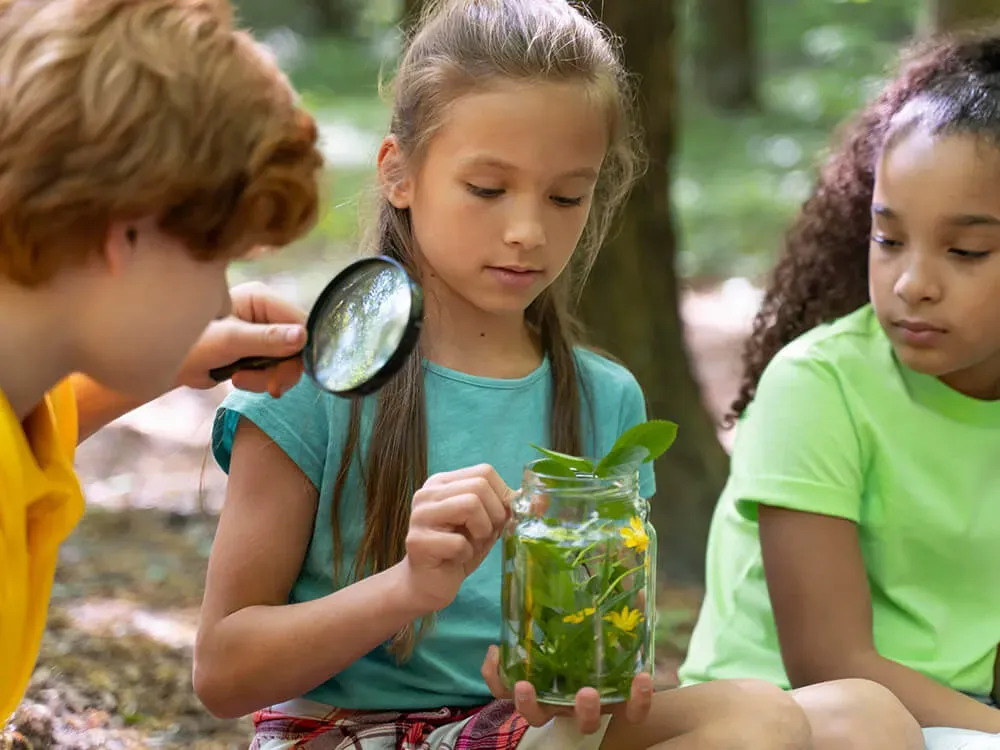
A critical element of nature-based early childhood education within the Canadian context is acknowledging and honoring Indigenous perspectives and deep connections to the Land. As the Child and Nature Alliance of Canada explains, this involves recognizing that Indigenous Peoples have been learning from and with the Land since time immemorial, holding profound knowledge systems and pedagogical approaches rooted in observation, relationship, and reciprocity.
The Evidence: Developmental Benefits of Environmental Programs
The shift toward outdoor learning approaches is strongly supported by a growing body of research evidence, including numerous systematic reviews that synthesize findings across multiple studies.
Cognitive Growth
Nature play environments appear uniquely suited to fostering cognitive development. Studies link environmental education with enhanced creativity, imagination, and more complex forms of dramatic play. The open-ended quality of natural materials invites imaginative uses far exceeding those of single-purpose toys. Research suggests improvements in attention, focus, and concentration, potentially due to the restorative effects of natural settings on cognitive resources.
Social-Emotional Flourishing
The unstructured and collaborative nature of nature exploration provides fertile ground for social-emotional learning. Studies indicate positive associations between outdoor-focused programs and improved social skills, cooperation, communication, and negotiation abilities. Exposure to green spaces is also linked to reduced stress, increased emotional regulation, and overall improvements in mental well-being.
Physical Health and Motor Skills
Outdoor environments naturally invite movement and physical activity. According to the Position Statement on Active Outdoor Play, children engaged in environmental exploration tend to be more physically active and less sedentary compared to traditional indoor or playground settings. This increased activity contributes to overall physical health, including cardiovascular fitness and healthy weight management.
Cultivating Environmental Stewardship
Regular, positive, and hands-on experiences in natural settings during early childhood are strongly linked to developing long-term environmental literacy, appreciation, respect, and an ethic of care. Children who develop an emotional connection with nature are more likely to become environmentally responsible citizens as adults.
Core Components for an Environmental Education Curriculum
Prioritizing Exploration Time Outdoors
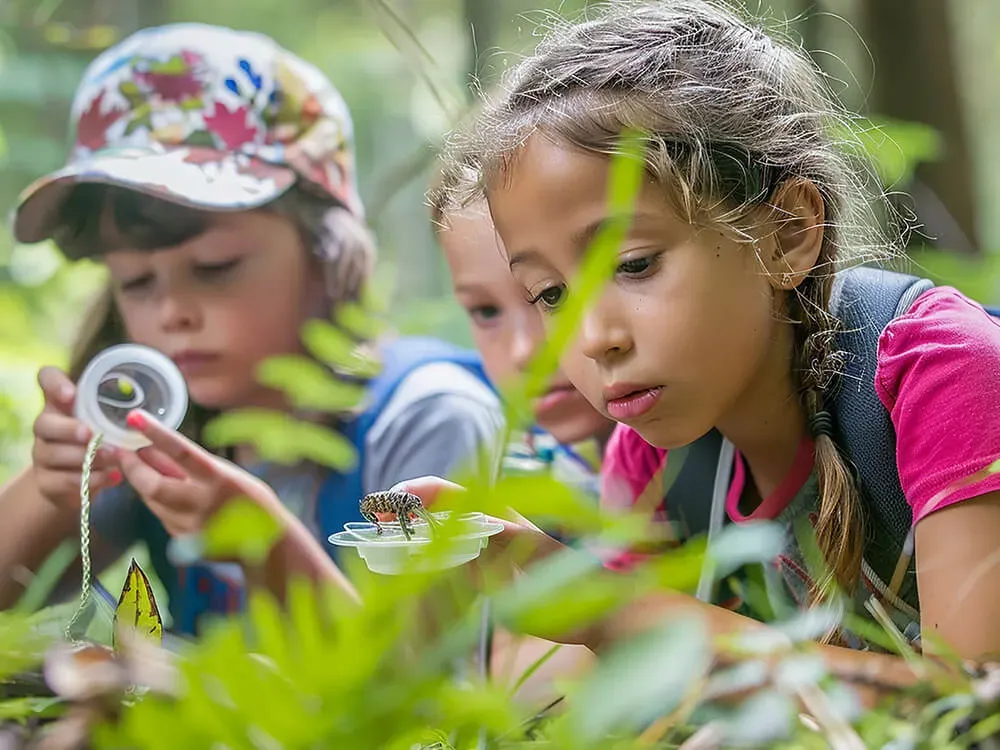
Daily, substantial periods of outdoor exploration are fundamental and non-negotiable. This time should be viewed as essential learning time, rich with possibilities for discovery and development, rather than simply a break or recess. The emphasis is on unstructured, child-led activities where children have the freedom to choose their pursuits, materials, and collaborators.
Embracing Canada's Four Seasons
A defining feature of nature preschools in Canada is the commitment to environmental learning in all seasons and weather conditions, barring extreme safety hazards. This requires practical preparation and a positive mindset, including:
- Ensuring children and staff have appropriate clothing (layers, waterproof outerwear, hats, mittens, boots)
- Adapting activities to seasonal opportunities (building snow shelters in winter, splashing in puddles in spring)
- Incorporating shelters, windbreaks, or shaded areas to enhance comfort
- Fostering resilience and a positive attitude towards all types of weather
As the Child and Nature Alliance of Canada emphasizes, overcoming potential barriers requires clear communication and demonstrating the value of all-weather experiences.
The Power of Natural and Loose Parts
Natural materials and loose parts are the cornerstone resources in an environmental curriculum. Loose parts are items that children can move, manipulate, combine, and transform in countless ways, fostering creativity, imagination, problem-solving, and complex play. Natural loose parts, readily available in most Canadian environments, include items like sticks, stones, leaves, seeds, pinecones, shells, mud, sand, water, snow, and ice.
Risk-Benefit Assessment in Practice
Environmental education programs recognize that engaging in risky play is essential for healthy child development. The approach shifts from simply avoiding all potential hazards to conducting thoughtful risk-benefit assessments. This means evaluating potential risks alongside the developmental benefits and implementing controls to make the activity "as safe as necessary," rather than eliminating all risk.The Canadian Public Health Association provides valuable resources on developing policies that support this balanced approach to risk in play environments.
The Evolving Role of the Educator
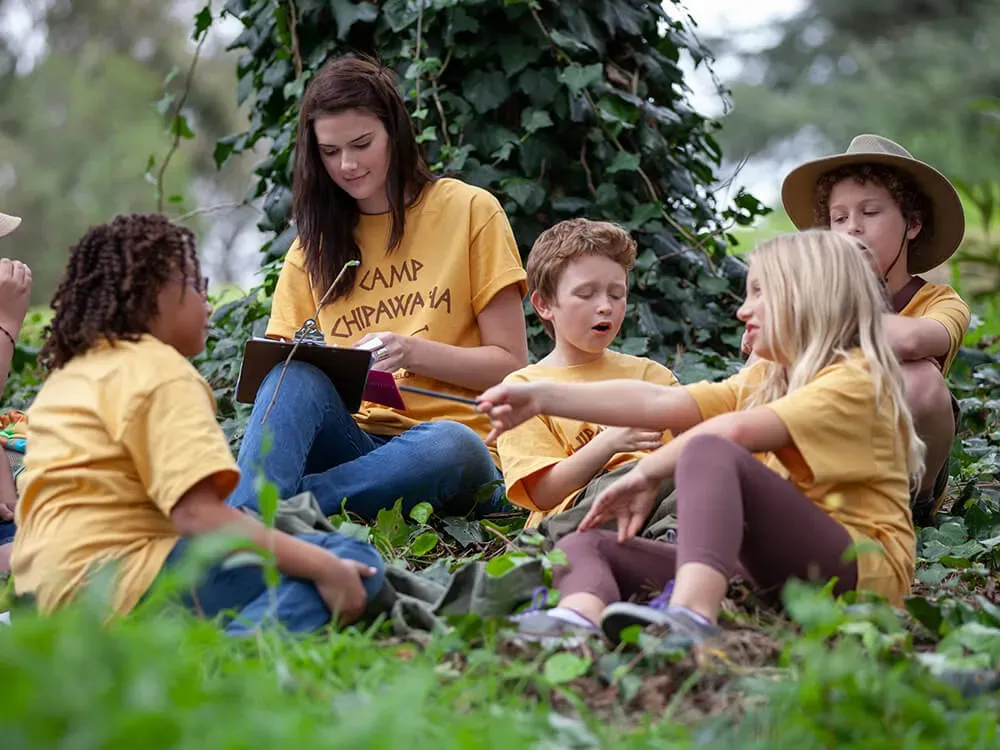
The educator's role transforms in an outdoor-focused setting. Instead of being the primary director of activities and source of knowledge, the educator becomes a facilitator, co-learner, guide, observer, and thoughtful scaffolder of learning. Key skills include:
- Careful observation ("pedagogy of listening")
- Documenting children's inquiries and discoveries
- Asking open-ended questions to provoke deeper thinking
- Providing appropriate resources and materials
- Modeling curiosity, respect, and care for the environment
The College of Early Childhood Educators Practice Guidelines support this emergent, responsive approach to pedagogy.
Designing Environments: Indoor and Outdoor Spaces for All Seasons
Creating Rich Environmental Learning Zones
The design of outdoor spaces should prioritize natural elements and diverse opportunities for play and learning over standardized equipment. Key principles include:
- Incorporating varied terrain such as small hills, slopes, logs, and boulders
- Including diverse vegetation (trees, shrubs, tall grasses, gardens)
- Designating areas for sand and mud play (e.g., mud kitchens) with access to water
- Providing ample storage for loose parts that is accessible to children
- Creating gathering spaces, perhaps featuring log seating or an outdoor chalkboard
Throughout the design process, accessibility and inclusion for children of all abilities must be considered, ensuring pathways and activity zones accommodate diverse needs.
Weathering Canadian Climates
To facilitate the core principle of all-season outdoor exploration, design must address the realities of Canadian weather. The Outdoor PLAYbook, developed by experts across Canada, recommends:
- Providing shelter from rain, snow, and intense sun through permanent or temporary structures
- Using mature trees for natural shade, supplemented by purpose-built shade structures
- Creating windbreaks through plantings or structures to increase comfort on colder days
- Planning for snow and ice management while also embracing snow as a play material
Bringing Environmental Elements Indoors
The indoor environment should complement and connect with the outdoor focus, creating a cohesive nature school experience. Strategies include:
- Maximizing natural light through windows
- Incorporating natural materials in furnishings, décor, and learning resources
- Creating designated nature tables or discovery zones
- Displaying children's nature-inspired artwork and photographs of outdoor explorations
Adapting Existing Spaces
For centers with limited ability to undertake major landscape redesigns, significant improvements can still be made by introducing natural elements incrementally:
- Adding planter boxes or small sensory gardens
- Bringing in logs for seating or balancing
- Establishing a dedicated mud play area
- Ensuring a rich supply of diverse loose parts
Models in Action: Environmental Curriculum Examples in Canada
While united by core principles, the practical implementation of nature-based early childhood education in Canada takes diverse forms, adapted to local contexts, resources, and licensing frameworks.
Exploring Different Approaches
Common models include:Forest and Nature Schools (FNS): Characterized by regular, repeated sessions in the same natural space (forest, park, meadow, beach), FNS emphasizes child-led, emergent, inquiry-based learning through play. The Forest School Canada program provides comprehensive training in this approach.Nature Preschools: These programs integrate environmental education deeply into their overall philosophy and curriculum, with children typically spending a significant majority of their day outdoors in immersive natural settings or highly naturalized play spaces.Outdoor Classrooms: This model involves intentionally using designated outdoor spaces as regular learning environments for various curriculum areas, extending beyond traditional recess.
Canadian Case Studies
Canada boasts a growing number of environmental education programs, including:
- Kingston Forest & Nature School (Ontario): Operates based on FNS principles, emphasizing regular access to a natural space, child-directed inquiry, viewing children as competent, valuing play and risk, using loose parts, and honoring Indigenous connections.
- FortWhyte Alive Forest School (Manitoba): Offers programs for preschoolers focused on resilience, connection to nature, self-awareness, and problem-solving through child-led exploration.
- Canadian Ecology Centre Forest Nature School (Ontario): Offers programs designed to foster imagination and exploration, focusing on grade-appropriate curriculum links through hands-on, experiential activities.
- Carrefour francophone's "Boréal des tout-petits" (Sudbury, Ontario): A licensed Francophone childcare program actively implementing a nature and forest daycare model, focusing on removing barriers to outdoor time year-round.
The variety seen across these examples underscores a key point: while the foundational principles of environmental early education provide a strong philosophical anchor, the specific way a program is implemented can and should be adapted to its unique context.
Meeting Ontario Standards: Alignment with HDLH and CCEYA
A primary concern for Ontario childcare centres considering a nature-based curriculum for childcare is ensuring alignment with provincial pedagogical guidelines and licensing regulations. Fortunately, the philosophy and practices of environmental education resonate strongly with Ontario's framework.
Connecting to "How Does Learning Happen?" (HDLH)
HDLH provides the pedagogical foundation for early years programs in Ontario, and its principles align remarkably well with nature-focused approaches. Environmental practices naturally support the Four Foundations outlined in How Does Learning Happen?:Belonging: Environmental programs foster a sense of connectedness: to the land, the local community, peers through collaborative play, and the educators who guide them.Well-Being: The focus on active outdoor time directly supports physical health. Exposure to nature and opportunities for unstructured play contribute positively to mental and emotional well-being.Engagement: Natural environments are inherently stimulating, sparking curiosity and wonder. The dynamic, ever-changing aspects of outdoor settings provide endless opportunities for inquiry-based learning.Expression: The environment offers diverse mediums and inspirations for expression through building with loose parts, creating ephemeral art from natural materials, moving their bodies, and language inspired by discoveries.
Navigating CCEYA Licensing Requirements
The Child Care and Early Years Act and its accompanying regulations set the legal standards for licensed childcare in Ontario. Nature-based programs must operate within this framework. Key areas include:Outdoor Play Space: Regulations mandate a minimum of 5.6 square metres of outdoor play space per child, typically at ground level and adjacent to the premises. Fencing of at least 1.2 metres is required for spaces used by infants, toddlers, or preschoolers.Programming: CCEYA requires a minimum of two hours of outdoor play daily for children in care for six hours or more, weather permitting. This aligns well with, but is less than, the time typically spent outdoors in many environmentally-focused models.Supervision & Safety: Maintaining required staff-to-child ratios during outdoor play, constant visual supervision, and regular safety checks of the outdoor space and equipment are essential. The program's risk-benefit assessment approach should be integrated into overall safety policies.Meeting CCEYA regulations is entirely feasible for a nature-based program, but it requires deliberate planning and clear documentation. The program statement becomes a critical tool for explaining the pedagogical rationale behind practices like extensive outdoor time, use of loose parts, and managed risk-taking.
Frequently Asked Questions About Environmental Early Education
What is nature-based learning in early childhood?
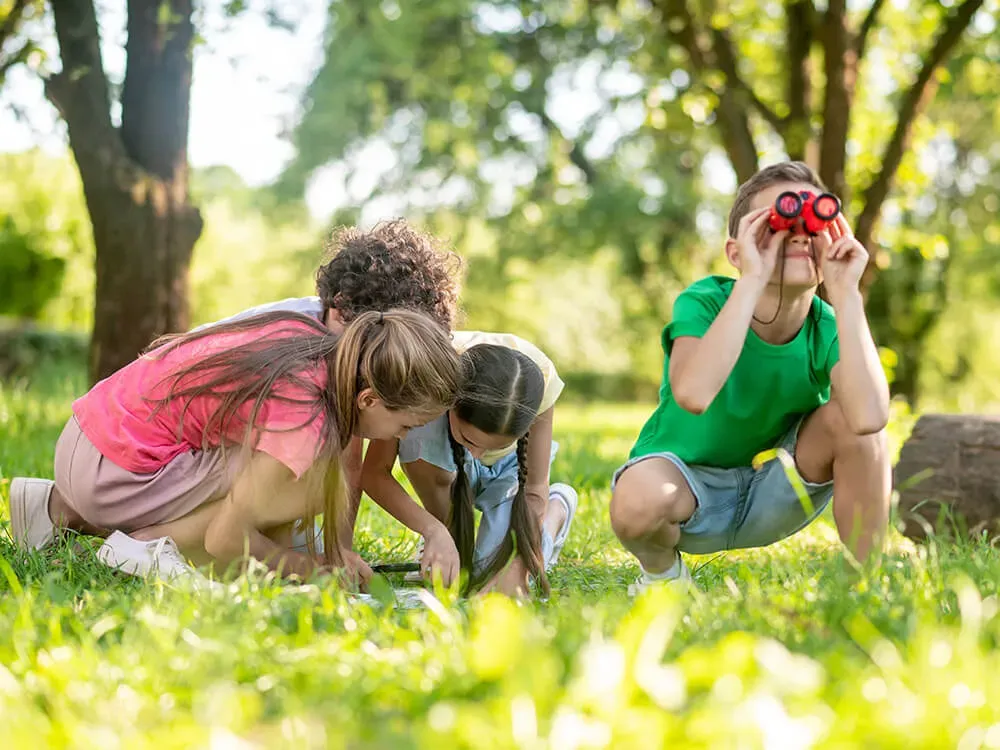
Nature-based learning in early childhood is an educational approach that uses the natural environment as both context and content for learning. Unlike traditional classroom settings, environmental education provides children with regular access to natural outdoor spaces where they engage in play-based, experiential learning. This approach integrates core curriculum areas (math, literacy, science) through direct interaction with nature, supporting holistic development while fostering environmental awareness and stewardship.
What is the forest school curriculum model?
The forest school curriculum model is a specific type of environmental education originating in Scandinavia. It features regular, repeated access to the same natural setting (typically wooded areas) where children engage in child-centered, play-based learning. Key elements include long-term program structure, child-initiated learning guided by trained facilitators, appropriate risk-taking opportunities, and all-weather outdoor learning with proper gear and clothing.Forest schools operate on the principle that children are intrinsically motivated to learn when given freedom to explore their interests within a natural setting, as explained by the Child and Nature Alliance of Canada.
What can nature teach children?
The natural environment offers children lessons that extend far beyond traditional academic content:
- Resilience and adaptability: Witnessing how plants and animals adapt to changing conditions
- Cycles and patterns: Observing seasonal changes, weather patterns, and life cycles
- Cause and effect relationships: Experiencing natural consequences
- Interdependence: Understanding how plants, animals, and humans rely on each other
- Problem-solving: Finding creative solutions with available natural resources
- Patience and wonder: Watching plants grow or insects metamorphose
- Self-regulation: Learning to navigate varied terrain and assess appropriate risk
- Empathy and care: Developing gentle approaches to handling plants and small creatures
These natural lessons form the foundation for deeper scientific understanding while nurturing emotional and social development.
What are the benefits of nature activities for children?
Research consistently demonstrates multiple benefits when children engage in regular nature exploration and play:
- Improved physical health: Enhanced coordination, balance, and overall fitness
- Better cognitive functioning: Increased attention spans and executive function skills
- Enhanced creativity and imagination: Open-ended natural materials inspire diverse play scenarios
- Reduced stress and anxiety: Natural settings lower cortisol levels and promote calm
- Stronger social skills: Collaborative projects foster teamwork
- Increased confidence and independence: Appropriate risk-taking builds self-assurance
- Scientific thinking: Natural curiosity leads to questioning, hypothesizing, and testing ideas
- Environmental stewardship: Early positive experiences outdoors foster lifelong care for the environment
According to the Position Statement on Active Outdoor Play, these benefits are most profound when children have frequent, regular access to natural spaces rather than occasional special outings.
Daily Practice: Environmental Activities and Scheduling
Integrating Nature Across Learning Domains
The natural environment provides a naturally integrated curriculum where traditional learning domains are interconnected:
Literacy: Children practice pre-writing skills by drawing in the mud with sticks, develop descriptive language while observing insects, create nature journals to document findings, or enjoy read-alouds under a tree.
Numeracy/Math: Counting collected acorns or stones, sorting leaves by shape or color, measuring rainfall or snow depth, exploring geometric shapes found in snowflakes or honeycombs, and creating maps of the play space are all organic math experiences.
Science: Children observe weather patterns and seasonal changes firsthand, investigate insect habitats and life cycles, track animals in snow or mud, plant seeds and observe growth, or experiment with physics by building ramps for water.
Arts: Nature provides both materials and inspiration for collages, painting with mud or crushed berries, sculpting with clay or snow, building ephemeral structures, or making music with natural objects.
Seasonal Activity Examples for Ontario
The changing seasons in Ontario offer unique provocations for learning and play:
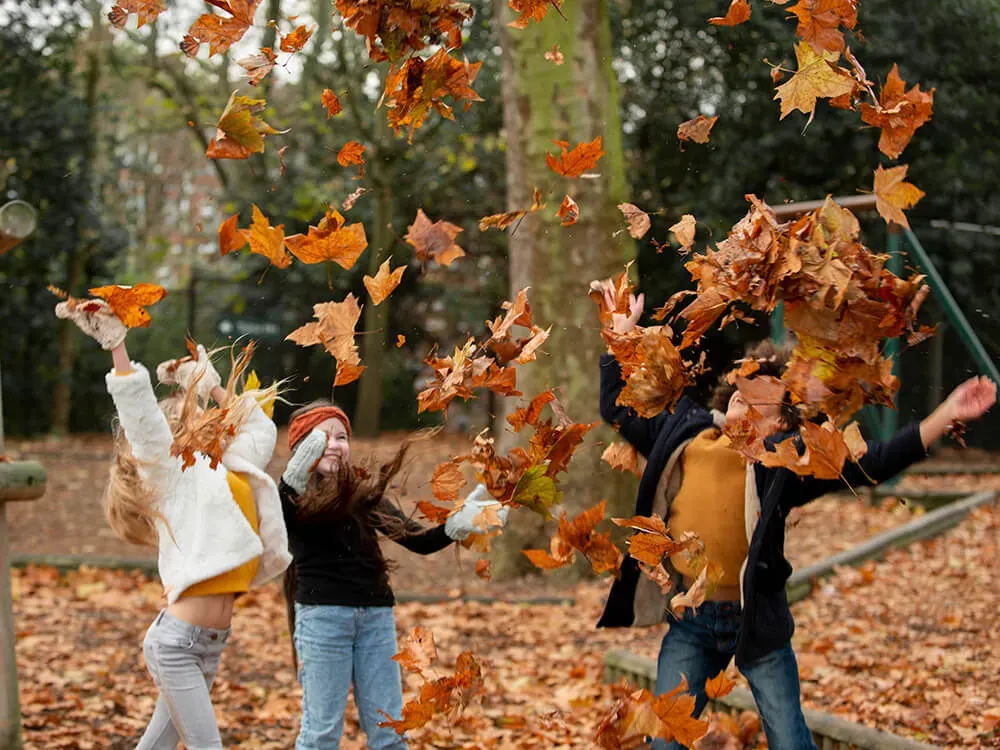
Fall: Raking and jumping in leaf piles; collecting and sorting seeds, nuts, and colorful leaves; exploring pumpkins and gourds; observing migrating birds; pressing leaves.
Winter: Painting on snow canvases; building snow forts or sculptures; exploring ice formations; tracking animals in the snow; setting up bird feeders; sledding (with safety precautions).
Spring: Puddle jumping; planting seeds and tending gardens; searching for worms and insects; observing buds opening and flowers blooming; noticing returning birds; making mud pies.
Summer: Engaging in extensive water play; elaborate mud kitchen creations; building forts and dens; picking berries (if safe); observing pollinators; enjoying picnics outdoors.The Early Childhood Community Development Centre (ECCDC) offers seasonal workshops that provide additional ideas for Ontario educators.
Documenting Your Environmental Education Curriculum
While the essence of an outdoor-focused curriculum unfolds dynamically through daily interactions and emergent inquiries, a well-articulated written curriculum document is essential for communicating your approach.
Key Elements of a Nature-Focused Curriculum Document
A comprehensive curriculum document for an Ontario environmental childcare center should include:
- Philosophy/Vision Statement: Articulate the program's core beliefs about children, learning, and the role of nature
- Core Principles: Detail guiding principles like commitment to play-based learning, inquiry, risk-benefit assessment, etc.
- Goals for Children's Learning & Development: Outline intended outcomes framed within HDLH's Four Foundations
- Role of the Educator, Child, and Families: Define expected roles and interactions
- Description of the Learning Environment: Detail features of indoor and outdoor spaces
- Approach to Planning: Explain the process for curriculum planning, emphasizing its emergent, inquiry-based nature
- Sample Daily/Weekly Rhythm: Provide examples of typical flow and flexibility
- Integration Across Learning Domains: Illustrate how learning areas are naturally integrated through nature
- Approach to Risk Management: Outline philosophy on risky play and assessment process
- Approach to Pedagogical Documentation: Describe methods used to observe and document learning
- Family and Community Engagement Strategies: Outline collaboration approaches
Pedagogical Documentation in Outdoor Settings
Documenting learning in dynamic outdoor settings requires adaptable methods. The College of Early Childhood Educators recommends strategies including:
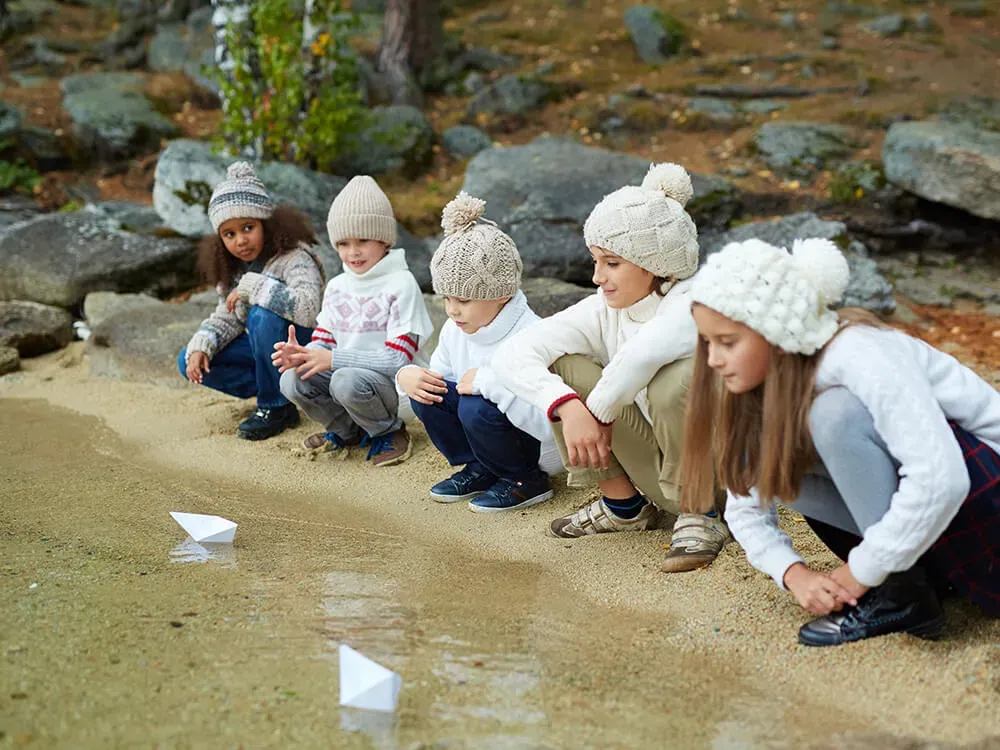
- Systematic Observation: Taking focused notes on children's interactions and problem-solving
- Photo and Video Documentation: Capturing moments of engagement and discovery
- Collecting Artifacts: Gathering samples of children's creations or nature collections
- Learning Stories: Writing narrative accounts that interpret significant learning moments
- Child Involvement: Encouraging children to document their own learning through drawing or dictation
The emphasis should be on capturing the richness of the process of learning, not just the final product.
Supporting Your Journey: Resources for Environmental Education
Embarking on or deepening an outdoor-focused approach requires ongoing learning and support. A growing ecosystem of organizations, training opportunities, and resources exists specifically for Ontario educators.
Key Organizations and Networks
National:
- Child and Nature Alliance of Canada (CNAC): Leading national organization promoting outdoor play and learning
- Outdoor Play Canada (OPC): National network providing resources and research summaries
- Take Me Outside (TMO): Promotes outdoor learning through initiatives and resources
Ontario:
- College of Early Childhood Educators (CECE): Provides Practice Guidelines that support environmental approaches
- Early Childhood Community Development Centre (ECCDC): Offers professional development workshops on outdoor learning
- Council of Outdoor Educators of Ontario (COEO): Promotes safe, quality outdoor education experiences
Professional Development and Training
Several options exist for deepening your knowledge:
- Certification Courses: CNAC/Forest School Canada offers a year-long Practitioners Course in various Ontario locations
- College Programs: Institutions like Algonquin College and Seneca Polytechnic offer specialized training
- Workshops & Webinars: Organizations like ECCDC, Bienenstock Natural Playgrounds, and TMO offer shorter workshops on specific topics
Cultivating Connection Through Environmental Education
The evidence is compelling: integrating environmental education into early childhood programs offers profound and holistic benefits for children's development, well-being, and connection to the world around them. From enhanced cognitive skills to improved social-emotional regulation and increased physical activity, the positive impacts are well-documented.This guide has outlined the core philosophy, essential components, and practical strategies for creating and implementing a nature-based curriculum for childcare within an Ontario context.
It has demonstrated that embracing environmental education across all seasons, utilizing natural materials, adopting a risk-benefit approach to play, and fostering deep relationships with the land are not only beneficial but also entirely feasible within the regulatory framework of the Child Care and Early Years Act.
By cultivating a strong connection with nature, environmental programs do more than enhance individual development; they foster a sense of belonging, nurture environmental stewardship, and equip children with the curiosity, resilience, and capabilities needed to navigate an increasingly complex world.
Ready to Transform Your Childcare Program?
Are you inspired to bring more environmental education into your childcare setting? List your outdoor-focused program on KinderPage to connect with families seeking this valuable approach! Parents increasingly recognize the benefits of nature-based early education, and highlighting these elements of your program can help your center stand out. Join the KinderPage community today to showcase your commitment to connecting children with the natural world while building essential skills for lifelong learning!
About the Author
Mary Abbasi
Mary Abbasi is a mom of two and a content specialist in childcare and parenting. She researches and writes KinderPage's articles for Canadian parents working through their own childcare decisions.
Frequently Asked Questions
What is nature-based learning in early childhood and how does it differ from traditional childcare?
What are the key philosophical principles behind environmental early education?
What developmental benefits do children gain from participating in nature-based programs?
What are the core components of a nature-based curriculum for childcare?
How does a nature-based curriculum align with Ontario's early learning framework ("How Does Learning Happen?") and licensing requirements (CCEYA)?
What is the "Forest School" model, and how does it relate to other nature-based approaches?
How can existing childcare spaces be adapted to incorporate more nature-based elements?
What is the role of documentation and curriculum planning in a nature-based childcare program?
Related Articles
Continue reading about childcare and early education


