

10 Must-Try Sensory Play Ideas for Daycare: Engaging Little Minds through Hands-On Fun

Listen to this Article
Implementing creative sensory play ideas for daycare environments is one of the most rewarding aspects of early childhood education. As a childcare provider, you're constantly seeking fresh activities that not only entertain but also support developmental growth. Sensory play—activities that stimulate children's senses of touch, sight, sound, smell, and taste—creates powerful learning experiences that engage young minds in ways traditional activities simply cannot.
When children plunge their hands into rice bins, squish colorful playdough, or explore the fascinating properties of oobleck, they're doing much more than just having fun. They're building crucial neural connections, developing fine motor skills, and learning fundamental scientific concepts through hands-on discovery. The beauty of sensory activities is that they can be adapted for various age groups, from curious toddlers to inquisitive preschoolers.
This guide presents 10 engaging hands-on play activities perfectly suited for your daycare environment—activities that are not only developmentally appropriate but also manageable within a group setting. Let's dive into the wonderful world of sensory exploration!
The Developmental Benefits of Sensory Play
Before exploring specific activities, it's important to understand the profound impact sensory play has on childhood development:
- Cognitive Development: When children manipulate different materials, they develop an understanding of cause and effect, problem-solving abilities, and early scientific concepts like transformation and states of matter.
- Language Development: Sensory experiences provide rich opportunities to introduce new vocabulary (sticky, smooth, rough, etc.) and encourage descriptive language skills.
- Fine Motor Skills: Activities involving scooping, pouring, squeezing, and manipulating small objects strengthen the muscles needed for writing and self-care tasks.
- Social-Emotional Skills: Group sensory activities promote sharing, turn-taking, and collaborative play experiences.
- Sensory Processing: Regular sensory experiences help children process and respond appropriately to sensory information in their environment.
The benefits of sensory play extend far beyond the immediate joy children experience. These activities form the foundation for later academic learning while supporting emotional regulation and physical development.
10 Engaging Sensory Play Ideas for Daycare
Ready to enrich your daycare environment with activities that engage all five senses? These carefully selected sensory bin ideas balance developmental benefits with pure joy and discovery. From the satisfying texture of rainbow rice to the scientific wonder of oobleck, each activity below offers unique opportunities for toddlers and preschoolers to develop crucial skills while exploring their world through touch, sight, sound, smell, and sometimes even taste.
As you introduce these sensory experiences, you'll notice children naturally practicing fine motor skills, developing vocabulary, and building concentration—all while having so much fun they won't realize how much they're learning. Let's dive into these simple yet powerful activities that transform everyday materials into extraordinary learning opportunities!

1. Rainbow Rice Sensory Bin
Materials Needed:
- White rice
- Food coloring or liquid watercolors
- Vinegar
- Baking sheets for drying
- Large plastic bin
- Scoops, funnels, and containers
How to Create: Begin by dividing white rice into separate zip-top bags. Add a tablespoon of vinegar and several drops of food coloring to each bag. Seal tightly and let children help shake the bags until the color distributes evenly. Spread the colored rice on baking sheets to dry overnight. Once dry, combine all colors in a large sensory bin and add various scooping tools.This vibrant sensory activity for toddlers and preschoolers supports color recognition and fine motor development as little hands practice scooping, pouring, and transferring the textured rice.
2. Ocean-Themed Sensory Bottles
Materials Needed:
- Clear plastic bottles with secure lids
- Blue water (water with food coloring)
- Baby oil
- Glitter
- Small plastic ocean creatures
- Hot glue (for sealing)
How to Create: Fill bottles halfway with blue-tinted water. Add a generous sprinkle of glitter, small ocean figurines, and top with baby oil. Secure the lid with hot glue (adult task) once you're satisfied with the contents. These fascinating sensory bottles provide a calming visual experience that's perfect for quiet corners or transition times.For older preschoolers, create "I-Spy" bottles with hidden items they can search for and identify, reinforcing observation skills and vocabulary development.
3. Magical Oobleck Exploration
Materials Needed:
- Cornstarch
- Water
- Food coloring (optional)
- Large tray or bin
- Plastic toys for hiding
How to Create: Mix approximately 2 parts cornstarch to 1 part water to create oobleck, a fascinating non-Newtonian fluid that acts as both a solid and liquid. Add a few drops of food coloring if desired. Place in a large tray with some small plastic toys partially submerged.This captivating substance provides an excellent opportunity to introduce basic scientific concepts to your daycare group. Children will be amazed as they witness how oobleck becomes solid when pressure is applied but flows like a liquid when held gently. The sensory experience of this strange substance creates endless fascination.
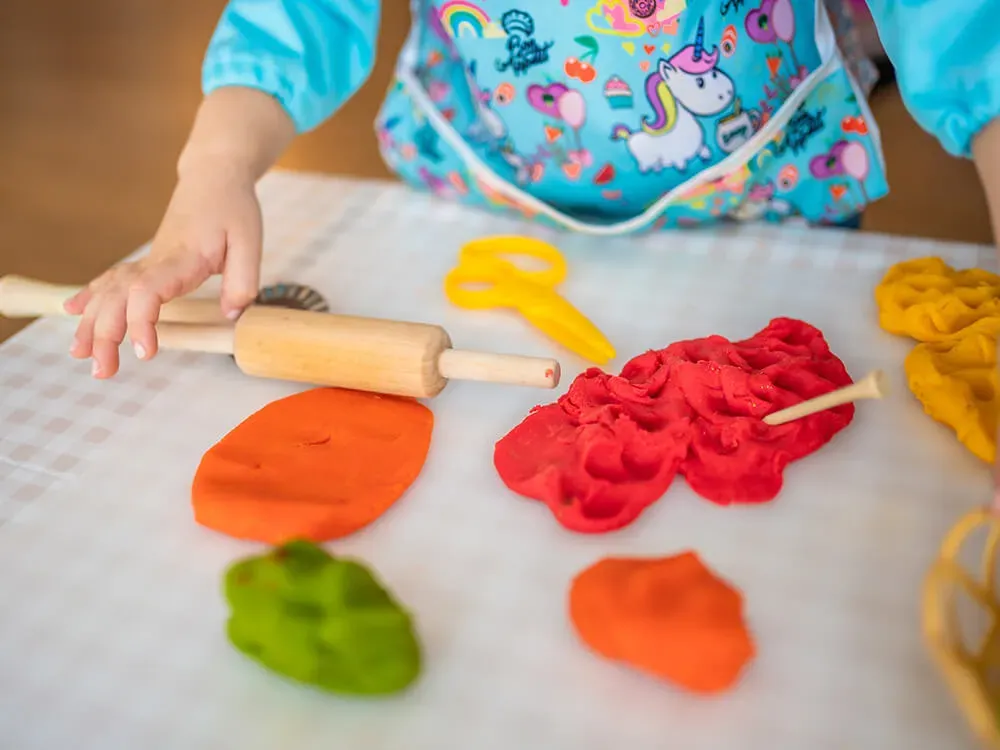
4. Scented Playdough Station
Materials Needed:
- Homemade play dough (flour, salt, cream of tartar, oil, water)
- Natural scents (vanilla, lemon extract, peppermint)
- Food coloring
- Rolling pins, cookie cutters, and textured tools
How to Create: Prepare simple homemade play dough and divide into portions. Add different scents and colors to each portion. Set up a dedicated station where children can roll, cut, squish, and create with this versatile material.This fun sensory activity engages multiple senses simultaneously—touch, smell, and sight—while developing fine motor skills through squeezing, rolling, and manipulating the dough. For a seasonal twist, create themed play dough stations (pumpkin spice in fall, peppermint in winter).
5. Textured Sensory Path
Materials Needed:
- Various textured materials (bubble wrap, carpet samples, corrugated cardboard, foam)
- Duct tape
- Cardboard backing
How to Create: Secure different textured materials to pieces of sturdy cardboard with strong tape. Arrange these in a path or circle. Invite children to walk barefoot across each surface, describing the sensations they feel.This activity for preschoolers develops vocabulary, sensory discrimination, and balance. It's especially beneficial for children who seek tactile input and helps develop their sense of touch through their feet, an often-overlooked sensory area.
6. Water Bead Wonderland
Materials Needed:
- Water beads
- Large clear tub
- Colanders, measuring cups, and funnels
- Small containers for sorting
How to Create: Follow package directions to hydrate water beads (usually takes several hours). Place in a large clear bin with various tools for scooping, sorting, and transferring.The unique texture of water beads provides an irresistible sensory bin experience that children find fascinating. The cool, slippery feel of the beads offers a novel tactile experience while the translucent qualities create visual interest. This activity promotes fine motor development as children scoop and transfer the beads between containers.
Safety note: Always supervise closely as water beads can pose choking hazards for younger children who might try to taste them.
7. Shaving Cream Marble Art
Materials Needed:
- Shaving cream (unscented)
- Liquid watercolors or food coloring
- Large shallow tray
- Card stock or heavy paper
- Craft sticks
How to Create: Spray shaving cream onto a tray, smoothing it into an even layer. Drop different colors of watercolor or food coloring across the surface. Use a craft stick to gently swirl (not mix) the colors into a marble pattern. Press paper onto the surface, then lift and scrape off excess shaving cream with a ruler to reveal a beautiful marbled print.This messy play activity delights children while creating frame-worthy art. The process engages their senses while teaching about color mixing and pattern creation. The smooth texture of the shaving cream provides excellent tactile input.
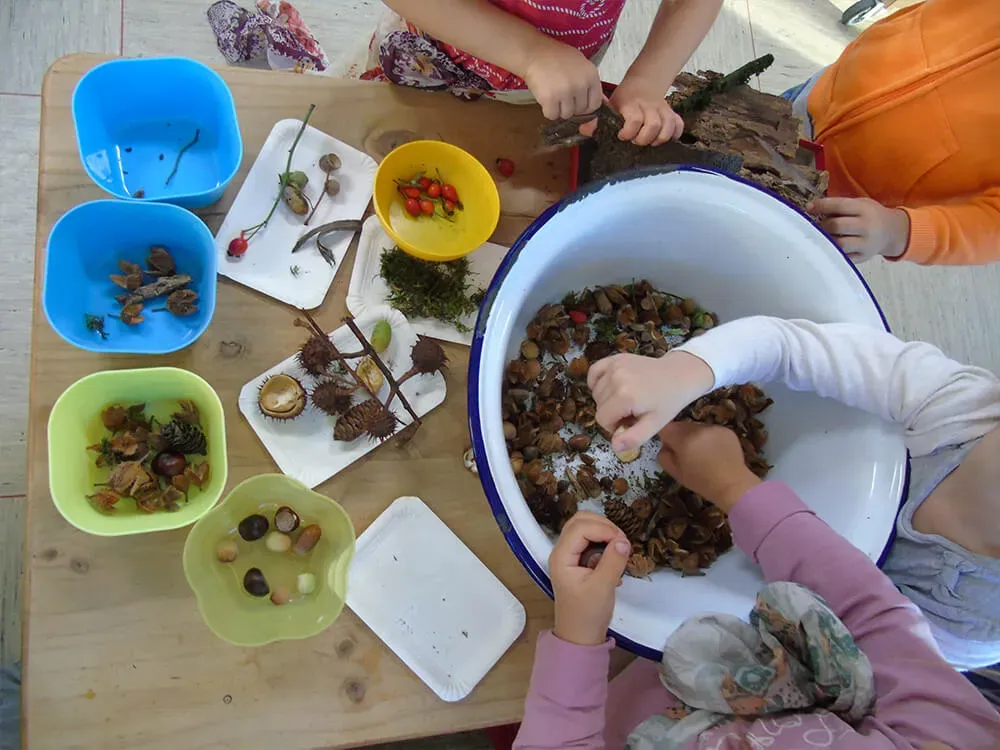
8. Nature Sensory Investigation Table
Materials Needed:
- Collection of natural items (pinecones, rocks, shells, leaves)
- Magnifying glasses
- Sorting trays
- Tweezers and tongs
How to Create: Collect various natural materials and arrange them attractively on a sensory table. Include tools for closer examination and classification. Change collections seasonally to maintain interest and reflect the changing environment.This sensory development activity connects children with the natural world while encouraging scientific thinking. The varied textures of natural materials provide rich tactile experiences, while sorting and classifying activities build cognitive skills.
9. Musical Sound Shakers
Materials Needed:
- Small plastic containers with secure lids
- Various filling materials (rice, beans, bells, paper clips)
- Decorative tape
- Paint or stickers for decoration
How to Create: Fill containers with different materials that create distinct sounds when shaken. Secure lids with strong tape and decorate the exteriors. Create pairs of matching sound shakers for a memory-matching game.This fun and educational activity engages children's auditory senses while building memory and discrimination skills. Children develop listening acuity as they match identical sounds and describe the differences between them.
10. Taste-Safe Edible Finger Paint
Materials Needed:
- Plain yogurt
- Food coloring
- Heavy paper or finger paint paper
- Trays for containing mess
How to Create: Mix plain yogurt with food coloring to create vibrant, taste-safe paints. Provide heavy paper and encourage children to explore painting with their fingers and hands.This sensory activity is perfect for younger daycare children who might still explore with their mouths. The cool, smooth texture of the yogurt paint provides excellent tactile input while allowing for creative expression. The emphasis is on the process rather than creating a specific product.
Implementing Sensory Play Ideas in Your Daycare
Creating designated spaces for hands-on exploration helps contain mess while allowing children to fully engage with tactile materials and textured objects during discovery time. Schedule interactive activities during times when you have adequate supervision, using plastic tablecloths or trays to define play areas and simplify cleanup for messy investigations. Rotate your activity offerings regularly—incorporating seasonal themes, different textures, and various tools—to maintain excitement and provide fresh learning opportunities that support physical development and cognitive growth.
Creating an Effective Sensory Station
Designate a specific area of your classroom for best sensory activities. This helps contain mess and creates a predictable space for exploration. Consider these tips:
- Use washable surfaces or place plastic sheeting under messy activities
- Position sensory tables at appropriate heights for different age groups
- Rotate materials regularly to maintain interest
- Provide clear guidelines for material use (keeping sand in the table, etc.)
- Have cleaning supplies readily available
Adapting for Different Age Groups
The beauty of sensory play is its adaptability across age groups:
- For toddlers: Focus on simple exploration with larger, more durable materials. Supervise closely and offer taste-safe options when possible.
- For preschoolers: Introduce more complex concepts, sorting activities, and opportunities for creative thinking. Encourage prediction and hypothesis-forming during sensory exploration.
Many of these activities can be enjoyed by toddlers and preschoolers together, with different levels of engagement based on developmental readiness.
Safety Considerations
Safety must always be your primary concern when implementing hands-on play activities for daycare:
- Always supervise children during sensory activities
- Be aware of potential allergens (wheat in playdough, etc.)
- Choose materials appropriate for your age group
- Avoid small items that present choking hazards for younger children
- Have clear rules about keeping materials out of mouths
- Consider using taste-safe alternatives for groups with very young children
The Lasting Impact of Sensory Experiences
Incorporating rich sensory activities into your daycare routine creates powerful learning opportunities that touch every developmental domain. From the simple joy of squishing colorful playdough to the scientific discovery of how oobleck changes state, these experiences form the foundation for lifelong learning.
As you implement these sensory play ideas for daycare, observe how children engage with materials, the language they use, and the discoveries they make. Document these moments to share with families, helping them understand the profound learning taking place during what might appear to be "just play."Remember that the most meaningful sensory experiences often come from simple materials presented in thoughtful ways.
Your role as a facilitator—asking open-ended questions, introducing vocabulary, and supporting exploration—transforms simple sensory bins into rich learning laboratories.Which of these sensory play ideas will you try first in your daycare setting? Whatever you choose, you'll be providing children with invaluable opportunities to explore, discover, and develop through the power of hands-on sensory learning.
Ready to Transform Your Daycare with Sensory Play?
Ready to bring these engaging sensory experiences to life in your daycare? List your center on KinderPage and highlight your commitment to developmental activities like these! Parents seeking quality childcare are increasingly looking for programs that incorporate purposeful sensory play into their curriculum. Showcase your sensory stations, themed bins, and hands-on learning approach as key features of your program. Join the KinderPage community today to connect with families who value the developmental benefits that thoughtful sensory activities provide!
About the Author
Mary Abbasi
Contributing writer at KinderPage, sharing insights about childcare and early childhood education in Canada.
Frequently Asked Questions
What is sensory play and why is it important in a daycare setting?
What are the main developmental benefits children gain from engaging in sensory play?
How can providers create engaging sensory play experiences for children?
What are some examples of specific sensory play activities that are suitable for a daycare?
How can sensory play activities be adapted for different age groups in a daycare?
What materials are commonly used in sensory play activities?
What are the key safety considerations when implementing sensory play in a daycare?
How does thoughtful implementation of sensory play benefit both the children and the daycare?
Related Articles
Continue reading about childcare and early education


