

Using STEM to Engage Young Learners: Fun Experiments for Kids

Hello, amazing childcare providers! Are you looking to enhance your program with activities that truly engage children while developing crucial skills? STEM for preschoolers is your perfect solution! These simple yet powerful activities can transform ordinary days into extraordinary learning adventures that children love and parents value.
What Are STEM for Preschoolers Activities?
STEM education introduces science, technology, engineering, and math to young children through playful, hands-on experiences that feel like fun rather than learning. The beauty of these activities is that they don't require expensive materials or specialized knowledge: just your enthusiasm and some simple supplies often already found in your childcare setting.
Provider Tip: Start by observing what naturally fascinates your little ones. Do they love water play? Are they constantly building with blocks? Use these interests as your gateway to introduce STEM concepts!
Why STEM Matters in Your Childcare Program
Parents today are increasingly seeking programs that prepare their children for future success. By implementing engaging preschool STEM activities, you'll:
- Foster problem-solving skills through hands-on experimentation
- Boost language development as children describe observations
- Develop fine motor skills through tactile exploration
- Build early math concepts through sorting, counting, and measuring
- Create natural opportunities for collaboration and communication
Best of all, these benefits come through play-based learning that keeps children excited and engaged!
Simple Science Experiments Your Preschoolers Will Love
Fizzing Color Chemistry
These science experiments create visual excitement while introducing basic chemistry:
- Rainbow Fizz Reactions: Place baking soda in muffin tins, add different food coloring to each, then let children use pipettes of vinegar to create colorful fizz reactions. The bubbling chemical reaction captivates attention while teaching cause and effect.
- Magic Milk Color Explosion: Pour milk into a shallow dish, add drops of food coloring, then touch with a cotton swab dipped in dish soap. Watch children's amazement as new colors swirl and mix, teaching concepts of surface tension in a visually stunning way.
Engineering Challenges for Little Builders
These STEM projects develop spatial thinking and persistence:

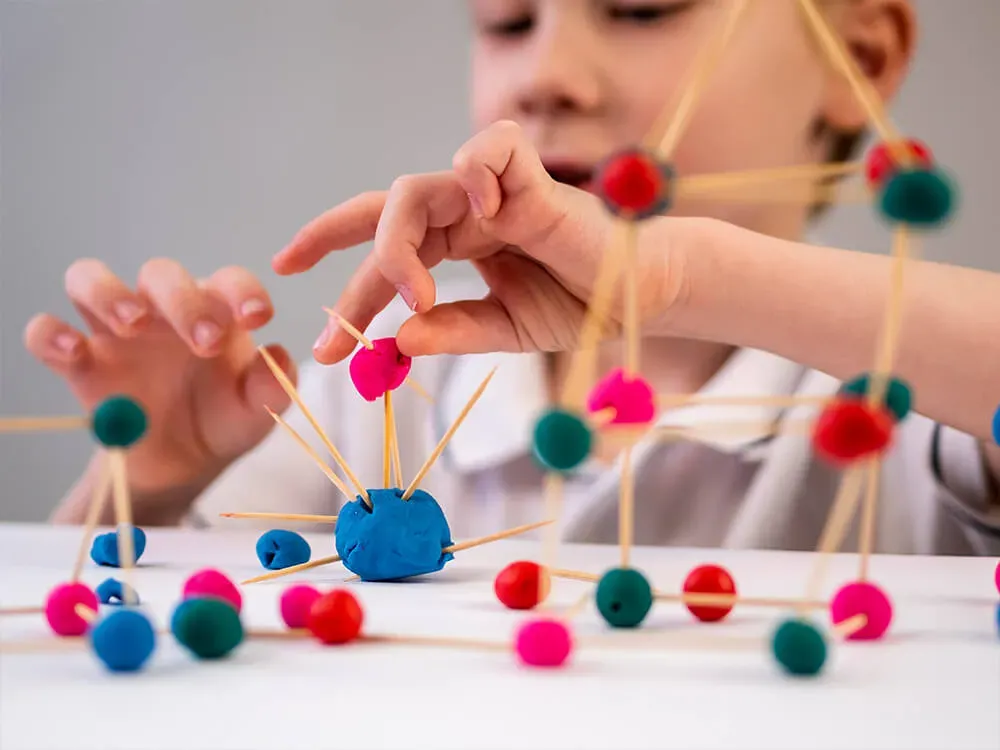
- Marshmallow and Toothpick Structures: Challenge preschoolers to build the tallest tower or strongest bridge using marshmallows as connectors and toothpicks as supports. This stem project introduces basic engineering principles while strengthening fine motor skills.
- Parachute Design Challenge: Use different materials (tissue paper, coffee filters, plastic bags) to create parachutes for small toys. Test which designs work best, introducing concepts of air resistance and gravity.
How Can I Integrate STEM Throughout My Daily Schedule?
Unlike special "science time," STEM activities for preschoolers can be woven throughout your existing daily routines:
- Morning Arrival: Set up a simple magnet exploration station for children to investigate during drop-off time
- Circle Time: Demonstrate a quick chemical reaction experiment that sparks questions for later exploration
- Small Group Time: Guide focused investigations with 3-5 children using hands-on materials
- Outdoor Play: Extend STEM learning with water and salt density tests, nature collections, or simple machines like ramps and pulleys
- Transition Times: Use quick sorting activities or pattern recognition games while waiting for lunch or handwashing
What Materials Do I Need for Preschool STEM Activities?
You don't need expensive specialty items! Start with these basics:
- Baking soda and vinegar (for countless fizz experiments)
- Food coloring (for exploring color mixing and reactions)
- Magnets and metal objects (for discovery and sorting)
- Building materials (blocks, recycled materials, connectors)
- Measuring tools (cups, spoons, rulers)
- Toothpicks and modeling materials like marshmallows or clay
- Sorting containers and materials (buttons, stones, natural items)
Budget Tip: Send home a wish list for families to contribute everyday objects like cardboard tubes, bottle caps, and clean food containers that can become valuable STEM materials!
How Do I Make STEM Less Messy and More Manageable?
Many childcare providers worry about the mess factor with science activities. Here's how to keep things organized:
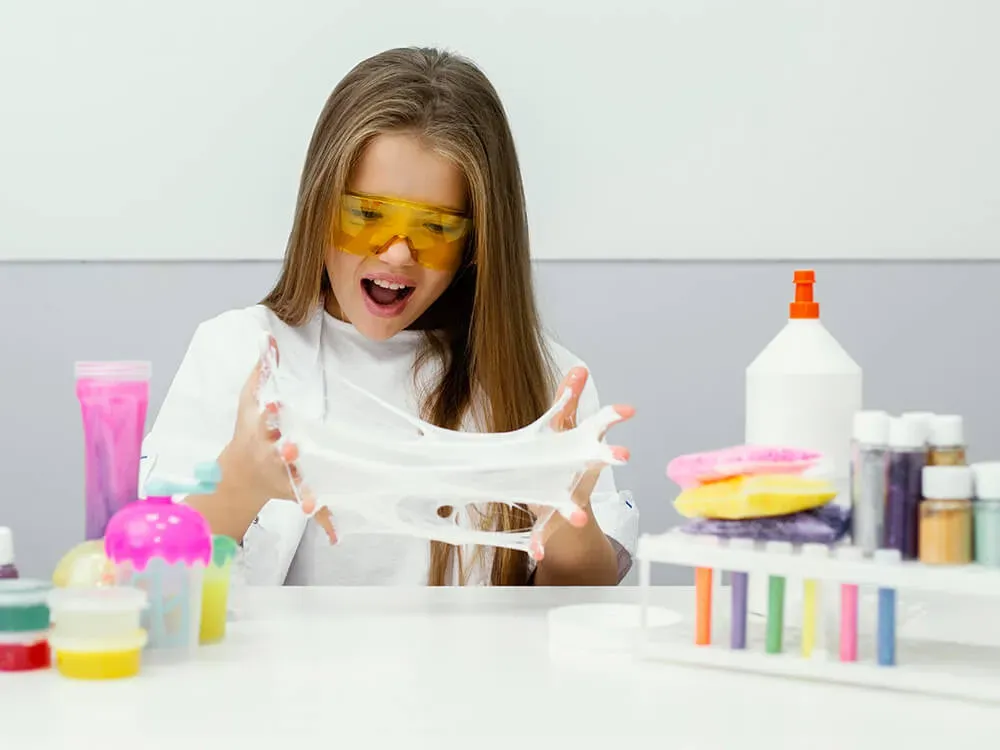
- Use plastic trays or tablecloths to contain slime making or color mixing
- Have children wear smocks for potentially messy experiments
- Establish simple cleanup routines that children participate in
- Start with smaller amounts of materials until routines are established
- Introduce one new STEM activity per week, then gradually increase
How Can I Document STEM Learning for Parents?
Parents love seeing their children engaged in meaningful learning! Show them the value of your STEM activities:
- Take before, during, and after photos of experiments
- Display children's predictions and results
- Document children's questions and discoveries
- Connect activities to specific developmental skills (problem-solving, fine motor development, etc.)
- Share simple extensions parents can try at home
Seasonal STEM Ideas to Keep Activities Fresh
Fall STEM Activities
- Pumpkin investigations (floating/sinking, counting seeds, circumference measurement)
- Leaf classification and chromatography
- Apple taste tests with graphing results

Winter STEM Projects
- Snow and ice experiments (melting rates, crystal formation)
- States of matter explorations with freezing and thawing
- Light and shadow investigations during darker months
Spring STEM Discoveries
- Seed germination in different conditions
- Weather tracking and prediction
- Bubble solution experiments with different wands and additives
Summer STEM Adventures
- Water play with measuring tools and salt water density tests
- Solar-powered investigations
- Nature classification and collections
Showcase Your STEM Program on KinderPage
Are you proud of the STEM activities for preschoolers you offer? Make sure parents can find you! KinderPage is Canada's premier directory for childcare providers, connecting families with quality programs that match their educational priorities.By listing your childcare service on KinderPage and highlighting your STEM for preschoolers activities, you can:
- Attract families specifically looking for enriched learning environments
- Stand out from other childcare options in your area
- Showcase your commitment to quality early learning experiences
Visit KinderPage today to create or update your listing and highlight how your program fosters little scientists and engineers through engaging hands-on STEM activities!
Free STEM Activity Planning Resource
Want to implement these ideas right away? Download our free STEM for Preschoolers Activity Guide that includes:
- 15 ready-to-use STEM activities organized by difficulty level
- Complete materials lists for each experiment
- Step-by-step instructions
- Observation templates for documenting children's learning
- Extension ideas for different age groups
This practical resource would give providers immediate value and a reason to save/bookmark your content. It also creates an excellent opportunity for lead generation if you want to collect emails in exchange for the download.
You're Building Future Innovators!
By implementing STEM for preschoolers in your childcare program, you're not just filling time. You're laying foundations for lifelong learning and problem-solving skills. These simple hands-on activities develop critical thinking abilities while creating joyful, engaging experiences that children will remember.
The most powerful STEM moments happen when you follow children's natural curiosity. Start small, celebrate discoveries, and watch as your little innovators develop confidence and creativity through play.What STEM activity will you try with your preschoolers tomorrow?
About the Author
Mary Abbasi
Mary Abbasi is a mom of two and a content specialist in childcare and parenting. She researches and writes KinderPage's articles for Canadian parents working through their own childcare decisions.
Related Articles
Continue reading about childcare and early education


