
What Age Should A Child Get Themselves Up and Ready For School?

The age at which a child can become capable of getting themselves up and ready for school is a question that often weighs on the minds of parents. While there is no definitive answer, it's important to consider various factors that influence a child's readiness for this level of independence. Typically, around the age of 8 to 10, children start developing the necessary cognitive and physical skills to handle self-care tasks such as waking up inde...
Listen to this Article
As parents, we often find ourselves wondering when our children will be ready to take on more responsibilities, especially regarding their morning routines. The question, "What age should my child start getting themselves up and ready for school?", is common among caregivers. While there's no one-size-fits-all answer, understanding the factors that influence a child's readiness can help you make informed decisions.
Quick Answer: What Age Is Best?
Most children begin to show readiness for managing their morning routines around 8 to 10 years old. However, readiness can vary significantly from child to child based on maturity, cognitive development, and personal motivation.
Why Age Matters
- Developmental Milestones: At this age, children develop the necessary cognitive and physical skills for self-care tasks.
- Independence: Children often express a desire to assert their independence during this stage, making it a prime opportunity to encourage self-sufficiency.
Key Factors to Consider
1. Age and Developmental Milestones
Understanding your child's developmental stage is crucial. While 8 to 10 years old is common for independent morning routines, some children may show readiness earlier or later. Important aspects to evaluate include:
- Physical Abilities: Can they dress themselves and manage basic grooming tasks? This includes putting on clothes without assistance, brushing their teeth, and combing their hair.
- Cognitive Development: Do they understand time concepts and follow multi-step instructions? They should be able to grasp the concept of time (e.g., knowing when to wake up) and follow directions like "Get dressed, then eat breakfast."
- Emotional Maturity: Can they handle frustrations and solve simple problems? Emotional maturity helps them cope with challenges like dealing with a stubborn zipper or a favorite shirt being dirty.
2. Emotional and Mental Readiness
Look for signs of readiness, including:
- Responsibility: Does your child demonstrate accountability in other areas, such as completing homework or chores without constant reminders? Teaching them to take ownership of their actions can significantly boost their confidence.
- Self-Discipline: Can they complete tasks without constant reminders? If your child can set aside distractions to finish a task, they likely possess the self-discipline needed for morning routines.
- Independence: Does your child show interest in taking on more responsibilities, such as picking out their clothes or preparing their breakfast? Encouraging this behavior helps foster their growth.
- Problem-Solving: Can they navigate simple challenges, like figuring out how to tie their shoes or what to do if they can't find their favorite shirt? These skills are crucial for managing morning mishaps.
Engaging in open conversations with your child about taking on more responsibilities helps gauge their comfort level and address any concerns. By involving them in the decision-making process, you can foster their emotional and mental readiness for independent morning routines. For more insights and practical strategies on nurturing your child's independence, check out "Little Things You Can Do Every Day to Make Your Child More Independent"
Practical Steps to Help Your Child Get Ready for Independence
1. Set a Consistent Morning Routine
Establishing a consistent routine is crucial for helping children become self-sufficient. Here are some key elements:

- Ensure Adequate Sleep: Children aged 6–13 typically need 9-11 hours of sleep. A well-rested child is more likely to wake up easily and handle their morning tasks effectively.
- Create a Predictable Schedule: Outline tasks for waking up, grooming, and breakfast. Consistency helps children know what to expect and reduces confusion during busy mornings.
- Involve Your Child: Let them participate in decisions about their routine. Allow them to choose when to wake up or what they want for breakfast, making them feel more in control. This can foster a sense of responsibility and excitement about their morning tasks.
Pro Tip: Use a visual schedule or chart that outlines the morning routine step-by-step. Children respond well to visual cues and can check off tasks as they complete them. This can make the process feel like a fun game rather than a chore.
For more innovative ideas to enhance your morning routine, check out "Morning Routine Magic: How Parents Can Start the Day Right," where we delve into strategies that can transform your mornings from frantic to fantastic.
2. Teach Time Management Skills
Introduce time management concepts to empower children in their morning routine:
- Visual Schedules: Use colorful charts outlining tasks and time allocations. Visual aids can help children understand what needs to be done and when, making the routine easier to follow.
- Timers and Alarms: Help them stay on track by setting timers for each task. This teaches them how to manage their time effectively and stay focused.
- Prioritization: Guide them in determining which tasks are most important. For example, emphasize the order of getting dressed before breakfast to reinforce the workflow of the morning.
- Self-Monitoring: Encourage them to check off completed tasks. This not only keeps them organized but also fosters a sense of accomplishment as they see their progress.
3. Encourage Independence in Small Steps
Fostering independence should be a gradual process. Start with simple tasks and gradually introduce more responsibilities:

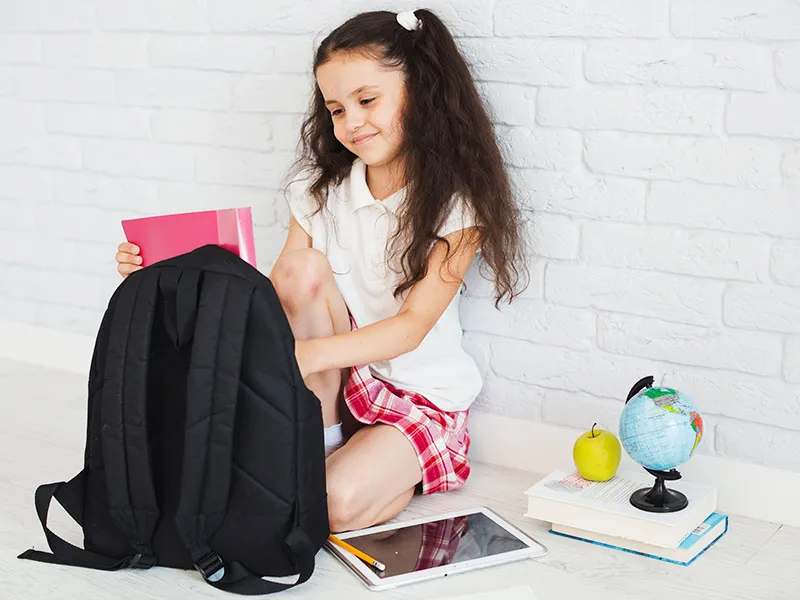
- Start with Basics: Allow them to pick their outfit the night before or pack their backpack. This gives them ownership over their choices and boosts their confidence.
- Involve Them in Breakfast: As they grow more comfortable, encourage them to prepare simple breakfasts, like cereal or toast. This not only builds their skills but also promotes healthy eating habits.
- Promote Tidiness: Teach them to keep their personal spaces organized, reinforcing the habit of cleanliness and responsibility. Celebrating small victories, like a tidy room, can motivate them to continue these habits.
Celebrate Achievements: Recognize their progress with praise or small rewards when they successfully complete their routine on their own. Positive reinforcement can motivate them to continue developing independence.
Age and Readiness Milestones
To better understand the developmental stages, we've created a chart that illustrates the typical ages at which children reach readiness milestones for morning independence.
Child Development Milestones for Morning Routines
| Age | Milestone | Example of Independence |
| 5-6 | Basic Self-Care | Can brush teeth and put on clothes with some help. |
| 7-8 | Increased Responsibility | Can dress themselves and handle simple tasks. |
| 9-10 | Full Morning Routine | Can independently wake up, get dressed, and eat breakfast. |
| 11+ | Complete Independence | Can manage their morning routine without reminders. |
Understanding the Chart
This chart provides a helpful guide for parents. For example, a 7-year-old might be expected to dress themselves, but they may need reminders or assistance with more complex tasks. By age 10, children should be able to manage their morning routine with minimal guidance. Reflect on where your child fits within these milestones and consider how you can support them in reaching the next stage.
Downloadable Morning Routine Checklist
To help guide your child through their morning routine, we've created a Printable Morning Routine Checklist. This document includes simple tasks that your child can follow each morning, making it easier for them to become self-sufficient.
Download Your Morning Routine Checklist
Celebrate the Journey
Determining the right age for your child to get themselves up and ready for school is a gradual process influenced by various factors. By considering their individual needs and fostering independence through structured routines, you can help your child develop the skills necessary for a successful morning routine.
Building Confidence
Encourage your child to embrace their independence. Celebrate the small victories, whether it's successfully getting dressed on time or preparing breakfast by themselves. These moments build their confidence and prepare them for greater responsibilities in the future.
Final Thoughts
Remember, each child's journey toward independence is unique. With patience, guidance, and support, they can cultivate valuable life skills that extend beyond their morning preparations.
Get Started Today: Download our free Morning Routine Checklist and empower your child to take charge of their mornings!
About the Author
Mary Abbasi
Contributing writer at KinderPage, sharing insights about childcare and early childhood education in Canada.
Frequently Asked Questions
At what age do children typically begin to show readiness for managing their morning routines independently?
What key factors influence a child's readiness for independent morning routines?
What practical steps can parents take to help their child become more independent in the mornings?
How can a consistent morning routine help a child become more self-sufficient?
What are some ways to teach time management skills to children for their morning routine?
At what age can a child typically dress themselves?
How can parents encourage a child who resists taking on more responsibility for getting ready?
What are some typical age-related milestones for children's independence in morning routines?
Related Articles
Continue reading about childcare and early education


