
How Sleep and Learning in Children Are Connected:What Every Parent Should Know

Have you ever wondered why your child struggles to focus during homework after a restless night? You're witnessing the powerful connection between sleep and learning in children – and you're not alone in this challenge.Research shows that sleep impacts alertness, attention, cognitive performance, mood, and learning and memory in children . Good-quality sleep helps your child concentrate, remember things, manage their emotions and behave in positive ways – all essential factors for successful lea
Listen to this Article
Have you ever wondered why your child struggles to focus during homework after a restless night? You're witnessing the powerful connection between sleep and learning in children – and you're not alone in this challenge.Research shows that sleep impacts alertness, attention, cognitive performance, mood, and learning and memory in children . Good-quality sleep helps your child concentrate, remember things, manage their emotions and behave in positive ways – all essential factors for successful learning.
When children don't get enough sleep, it affects concentration, memory and behaviour, making it harder for them to learn .Understanding this connection empowers you to dramatically improve your child's educational outcomes and overall well-being. Let's explore how sleep becomes your child's most powerful learning tool.
Understanding How Sleep and Learning in Children Are Interconnected
The science behind sleep and cognitive function reveals a complex but fascinating relationship. During sleep, particularly during the deep sleep stages, the brain undergoes crucial processes that directly impact learning capacity . These processes include memory consolidation, where information learned during the day is transferred from short-term to long-term memory, and synaptic homeostasis, where neural connections are strengthened or weakened based on their importance.
The Neurological Foundation of Sleep-Learning Connection
The brain's glymphatic system becomes particularly active during sleep, clearing out toxins and waste products that accumulate during waking hours. This cleaning process is essential for optimal brain function and learning capacity. Additionally, during REM (Rapid Eye Movement) sleep, the brain processes emotional experiences and consolidates procedural memories, which are crucial for skill development and academic performance.
Research has shown that children who consistently get adequate sleep demonstrate:
- Enhanced memory formation and recall
- Improved attention span and focus
- Better problem-solving abilities
- Increased creativity and cognitive flexibility
- Superior emotional regulation

Sleep Stages and Their Impact on Learning
Understanding the different stages of sleep helps explain why quality matters as much as quantity. The sleep cycle consists of several stages, each contributing uniquely to learning and development:
Non-REM Stage 1 (Light Sleep): This transitional stage prepares the brain for deeper sleep stages where more significant learning consolidation occurs.
Non-REM Stage 2 (Moderate Sleep): During this stage, sleep spindles and K-complexes help protect sleep while beginning the process of memory consolidation.
Non-REM Stage 3 (Deep Sleep): This is when the most crucial learning consolidation occurs. The brain processes and stores information from the day, strengthening neural pathways associated with new learning.
REM Sleep: Essential for emotional processing and creative problem-solving, REM sleep helps children integrate new information with existing knowledge.
Age-Specific Sleep Requirements and Learning Implications
Different age groups have varying sleep needs, and understanding these requirements is crucial for optimizing learning potential. The relationship between sleep duration and academic performance varies significantly across developmental stages.
Toddlers (1-3 years): Foundation Building
Toddlers require 11-14 hours of sleep (including naps) for optimal development. During this critical period, the brain undergoes rapid growth and development. Sleep deprivation during toddlerhood can have lasting effects on:
- Language development
- Emotional regulation
- Social skills
- Cognitive flexibility
Preschoolers (3-5 years): Preparing for Academic Learning
Preschoolers need 10-13 hours of sleep to support their expanding cognitive abilities. This age group is developing pre-academic skills such as:
- Letter and number recognition
- Basic problem-solving skills
- Attention control
- Social interaction abilities
Quality sleep during this period sets the foundation for future academic success.
School-Age Children (6-12 years): Academic Performance Peak

School-age children require 9-11 hours of sleep nightly. This is when the connection between sleep and academic performance becomes most apparent. Children in this age group who get adequate sleep show:
- Better test scores and grades
- Improved classroom behavior
- Enhanced mathematical and reading abilities
- Superior executive functioning skills
Adolescents (13-18 years): Managing Academic Pressure
Teenagers need 8-10 hours of sleep, though biological changes often make this challenging. The adolescent brain undergoes significant changes, and sleep plays a crucial role in:
- Abstract thinking development
- Decision-making abilities
- Emotional stability
- Academic achievement in complex subjects
The Devastating Effects of Sleep Deprivation on Children's Academic Performance
Sleep deprivation creates a cascade of negative effects that can severely impact a child's learning ability and academic performance. Understanding these effects helps parents recognize the importance of prioritizing sleep in their children's lives.
Cognitive Impacts of Insufficient Sleep
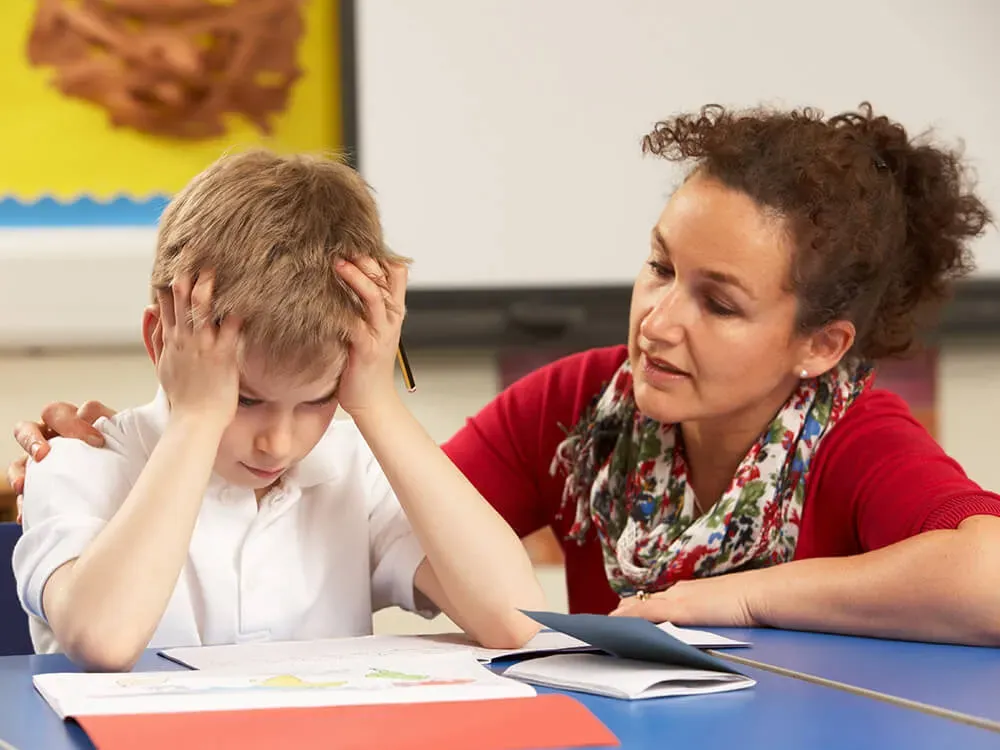
Attention and Focus Problems: Sleep-deprived children struggle to maintain attention during lessons, leading to missed information and poor comprehension. Studies show that even mild sleep deprivation can reduce attention span by up to 40% .
Memory Consolidation Issues: Without adequate sleep, the brain cannot effectively transfer information from short-term to long-term memory. This means children may struggle to remember what they learned in class, even if they understood it initially.
Reduced Processing Speed: Sleep deprivation slows down cognitive processing, making it difficult for children to keep up with classroom discussions and complete assignments efficiently.
Impaired Executive Function: Executive functions like planning, organizing, and self-control are severely affected by sleep loss, making it challenging for children to manage their academic responsibilities.
Behavioral and Emotional Consequences
Sleep deprivation doesn't just affect cognitive abilities; it also significantly impacts behavior and emotional regulation:
Increased Irritability and Mood Swings: Tired children are more likely to become frustrated, angry, or upset, affecting their relationships with peers and teachers.
Hyperactivity and Impulsivity: Paradoxically, sleep-deprived children often display hyperactive behaviors, which can be mistaken for ADHD.
Social Difficulties: Tired children may struggle with social interactions, leading to isolation and reduced collaborative learning opportunities.
Increased Risk-Taking Behaviors: Sleep deprivation affects judgment, leading to poor decision-making that can impact academic and social success.
Sleep Quality vs. Sleep Quantity: What Matters Most for Learning
While getting enough hours of sleep is important, the quality of sleep is equally crucial for optimal learning. Poor sleep quality can negate the benefits of adequate sleep duration, making it essential to focus on both aspects.
Factors Affecting Sleep Quality
Sleep Environment: A dark, quiet, cool room promotes better sleep quality. Temperature should be between 65-68°F (18-20°C) for optimal rest.
Sleep Consistency: Going to bed and waking up at the same time every day helps regulate the body's internal clock, improving sleep quality.
Pre-Sleep Activities: Engaging in calming activities before bed, such as reading or gentle stretching, promotes better sleep quality than stimulating activities.
Screen Time Impact: The blue light emitted by electronic devices can interfere with melatonin production, reducing sleep quality even if sleep duration is adequate.
Signs of Poor Sleep Quality
Parents should watch for these indicators of poor sleep quality:
- Difficulty falling asleep
- Frequent night wakings
- Restless sleep or tossing and turning
- Early morning awakening
- Daytime fatigue despite adequate sleep hours
- Snoring or breathing difficulties during sleep

The Science of Memory Consolidation During Sleep
Understanding how memory consolidation works during sleep provides insight into why sleep is so crucial for learning. This process involves several complex mechanisms that occur primarily during deep sleep stages.
Types of Memory Consolidation
Declarative Memory Consolidation: This involves the consolidation of facts and information learned during the day. During slow-wave sleep, the hippocampus replays the day's experiences, helping transfer information to long-term storage in the neocortex.
Procedural Memory Consolidation: Skills and procedures are consolidated during different sleep stages, particularly during REM sleep. This is why students often find they perform better on complex tasks after a good night's sleep.
Emotional Memory Processing: REM sleep helps process emotional experiences and integrate them with existing knowledge, which is crucial for comprehensive understanding and learning.
The Role of Sleep in Creative Problem-Solving
Sleep doesn't just help with memorization; it also enhances creative thinking and problem-solving abilities. During REM sleep, the brain makes novel connections between disparate pieces of information, often leading to insights and creative solutions that weren't apparent during waking hours.
Practical Strategies for Optimizing Sleep to Enhance Learning
Creating an environment and routine that promotes quality sleep requires a comprehensive approach that addresses multiple factors affecting sleep quality and duration.
Establishing a Consistent Sleep Schedule
Set Regular Bedtimes and Wake Times: Consistency is key to regulating the body's internal clock. Even on weekends, try to maintain schedules within one hour of weekday times.
Create a Pre-Sleep Routine: Develop a calming routine that signals to the body it's time to sleep.
This might include:
- Taking a warm bath or shower
- Reading a book together
- Gentle stretching or relaxation exercises
- Listening to calming music or white noise
Gradually Adjust Sleep Times: If current sleep schedules are problematic, make gradual adjustments of 15-30 minutes earlier each night until reaching the desired bedtime.
Optimizing the Sleep Environment
Temperature Control: Keep the bedroom cool, between 65-68°F (18-20°C). A slightly cool environment promotes deeper sleep.
Darkness and Light Management: Use blackout curtains or eye masks to block out light. In the morning, expose children to bright light to help regulate their circadian rhythm.
Noise Control: Use white noise machines or earplugs if necessary to minimize disruptive sounds. Consistent, gentle background noise can actually improve sleep quality.
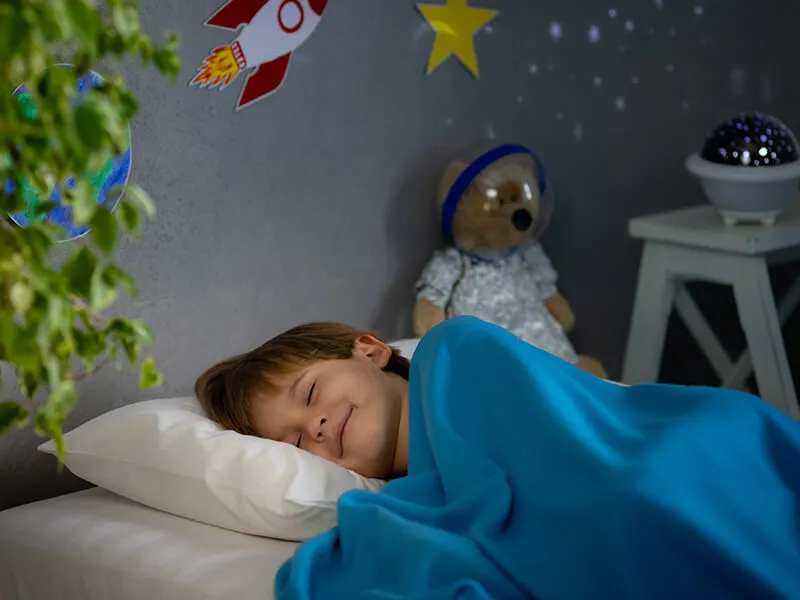
Comfortable Bedding: Invest in comfortable mattresses and pillows appropriate for your child's age and sleeping position.
Nutrition and Sleep Connection
Avoid Caffeine and Sugar: These stimulants can interfere with sleep quality and make it difficult to fall asleep. Avoid them within 6 hours of bedtime.
Light Evening Meals: Heavy meals close to bedtime can disrupt sleep. Finish eating at least 2-3 hours before sleep.
Sleep-Promoting Foods: Foods containing tryptophan (turkey, milk, bananas) or magnesium (nuts, seeds, leafy greens) can promote better sleep quality.
Technology and Sleep: Managing Screen Time for Better Learning
In our digital age, managing technology use is crucial for maintaining healthy sleep patterns and optimizing learning potential.

The Impact of Blue Light on Sleep
Electronic devices emit blue light that can interfere with melatonin production, making it harder to fall asleep and reducing sleep quality.
This is particularly problematic for children, whose eyes are more sensitive to blue light than adults.
Creating Technology Boundaries
Implement a Digital Curfew: Establish a rule that all screens must be turned off at least one hour before bedtime. This allows melatonin production to normalize.
Create Tech-Free Bedrooms: Keep televisions, computers, tablets, and smartphones out of the bedroom. The bedroom should be associated only with sleep and rest.
Use Blue Light Filters: If screen use is necessary in the evening, use blue light filtering glasses or screen filters to minimize the impact on sleep.
Model Good Behavior: Parents should also follow these rules to set a positive example and create a family culture that prioritizes sleep.
Sleep Disorders and Learning: When to Seek Professional Help
Sometimes, despite best efforts, children may continue to experience sleep difficulties that impact their learning. Recognizing when to seek professional help is crucial for addressing underlying sleep disorders.
Common Sleep Disorders in Children
Sleep Apnea: This condition causes brief interruptions in breathing during sleep, leading to fragmented sleep and daytime fatigue. Symptoms include loud snoring, gasping during sleep, and excessive daytime sleepiness.
Restless Leg Syndrome: This neurological disorder causes uncomfortable sensations in the legs, making it difficult to fall asleep or stay asleep.
Delayed Sleep Phase Disorder: More common in adolescents, this disorder causes a natural tendency to fall asleep and wake up much later than desired.
Insomnia: Difficulty falling asleep or staying asleep can be caused by anxiety, stress, or other underlying conditions.
When to Consult a Sleep Specialist
Consider seeking professional help if your child experiences:
- Persistent difficulty falling asleep despite good sleep hygiene
- Frequent night wakings or early morning awakening
- Excessive daytime sleepiness
- Loud snoring or breathing difficulties during sleep
- Behavioral problems that may be sleep-related
- Academic performance issues despite adequate sleep hours
The Long-Term Benefits of Prioritizing Sleep for Learning
Investing in healthy sleep habits during childhood provides benefits that extend far beyond immediate academic performance. Children who develop good sleep habits early in life are more likely to:

Academic and Cognitive BenefitsImproved Academic Performance: Students with consistent, quality sleep show better grades, test scores, and overall academic achievement throughout their educational journey. Enhanced Cognitive Development: Good sleep supports the development of critical thinking skills, creativity, and problem-solving abilities that serve children throughout their lives. Better Memory and Learning Capacity: Children who sleep well develop superior memory consolidation abilities, making future learning easier and more efficient.Physical and Mental Health BenefitsStronger Immune System: Quality sleep supports immune function, leading to fewer sick days and better overall health. Improved Emotional Regulation: Children who sleep well are better able to manage emotions, stress, and social relationships. Reduced Risk of Mental Health Issues: Good sleep habits can help prevent anxiety, depression, and other mental health challenges.Life Skills and Success FactorsBetter Self-Regulation: Children who sleep well develop better self-control and decision-making abilities. Enhanced Social Skills: Quality sleep supports the emotional regulation necessary for successful social interactions. Improved Physical Performance: Whether in sports or daily activities, well-rested children perform better physically. |

Creating a Family Sleep Culture
Developing a family culture that prioritizes sleep requires commitment from all family members and consistent implementation of sleep-promoting practices.
Leading by Example
Parents must model good sleep habits themselves. Children learn more from what they observe than what they're told, so demonstrating healthy sleep behaviors is crucial.
Making Sleep a Priority
Schedule Around Sleep: Plan family activities and commitments with sleep schedules in mind. Avoid late-night activities on school nights.
Communicate the Importance: Help children understand why sleep is important for their success and well-being.
Celebrate Good Sleep Habits: Acknowledge and praise children when they follow good sleep routines and get adequate rest.
Adapting to Individual Needs
Remember that each child is unique and may have different sleep needs and preferences. Be willing to adjust approaches based on what works best for each individual child while maintaining consistent overall principles.
Finding Quality Childcare That Supports Your Child's Development
As you've learned, sleep and learning in children are deeply connected, and this extends beyond your home environment. The childcare center you choose plays a crucial role in supporting your child's sleep patterns and overall development.Quality childcare providers understand that children need:
- Structured rest periods that support healthy sleep habits
- Consistent routines that complement your home schedule
- Qualified caregivers who understand child development
- Learning environments that don't overstimulate
Discover Quality Childcare with Kinder
KinderPage is Canada's comprehensive childcare directory, connecting parents with licensed childcare centers across all provinces and territories. Our platform makes it easy to find quality care providers who prioritize children's well-being and development.
Why choose KinderPage?
- Thousands of licensed providers across Canada
- Detailed profiles with information about programs and services
- Location-based search to find centers near you
- Parent reviews and ratings from your community
- Direct contact information for easy communication
Ready to Find the Perfect Childcare Center for Your Family?Browse licensed childcare centers across Canada that understand the importance of sleep and learning in children's development. Find providers committed to supporting your child's growth and well-being.
Sleep as the Foundation for Lifelong Learning Success
The connection between sleep and learning in children is undeniable and profound. Quality sleep serves as the foundation upon which all other learning and development occurs. By prioritizing sleep, parents give their children the best possible chance for academic success, emotional well-being, and healthy development.Implementing these strategies requires consistency and patience, but the benefits are immeasurable.
Children who develop healthy sleep habits early in life are better equipped to handle academic challenges, social situations, and life's stresses. They perform better in school, have stronger relationships, and develop into healthier, more successful adults.Remember that improving sleep habits is a gradual process. Start with small changes and gradually build upon them. If you encounter persistent difficulties, don't hesitate to seek professional help. By making sleep a priority in your family, you're setting your child up for a lifetime of success, health, and well-being.
About the Author
Mary Abbasi
Contributing writer at KinderPage, sharing insights about childcare and early childhood education in Canada.
Frequently Asked Questions
Why does my child struggle to focus after a bad night's sleep?
How exactly does sleep help my child learn better?
Can my child actually learn new things while sleeping?
What happens in my child's brain during sleep that affects learning?
How can I tell if poor sleep is affecting my child's school performance?
What are the specific neurological processes that occur during sleep that are essential for learning and memory?
How do sleep requirements change with age, and what are the learning implications for each age group?
What are the detrimental effects of sleep deprivation on a child's academic performance, beyond just feeling tired?
Why is sleep quality just as important as sleep quantity for a child's learning?
What practical strategies can parents implement to optimize their child's sleep and enhance learning?
Related Articles
Continue reading about childcare and early education


