

Social Skills for Kids: The Ultimate Guide to Help Your Child Make and Keep Friends

Listen to this Article
Have you ever watched your child struggle to join a playground game or noticed them sitting alone at a birthday party? As parents, few things tug at our heartstrings more than seeing our children face social challenges. The good news? You can help your child develop the social skills for kids they need to thrive—and this guide shows you how.
Why Social Skills for Kids Matter More Than You Think
Social skills for kids aren't just about having playmates—they're foundational abilities that impact nearly every aspect of a child's life. These essential social skills help children:
- Form meaningful friendships
- Resolve conflicts peacefully
- Succeed in school and beyond
- Build self-confidence
- Develop emotional intelligence
Research shows that children with strong social competence are more likely to graduate from college, have successful careers, and maintain healthy relationships as adults. Simply put, these skills are as important as academic abilities—perhaps even more so!
"The ability to make and keep friends might be the single most important skill we can teach our children."
Essential Social Skills Every Child Needs to Learn
What exactly are these critical abilities? Here's a breakdown of the important social skills for kids that create the foundation for lifelong success:
1. Communication Skills
- Using words to express needs and feelings
- Active listening when others speak
- Understanding social cues and body language
- Taking turns in conversation without interrupting
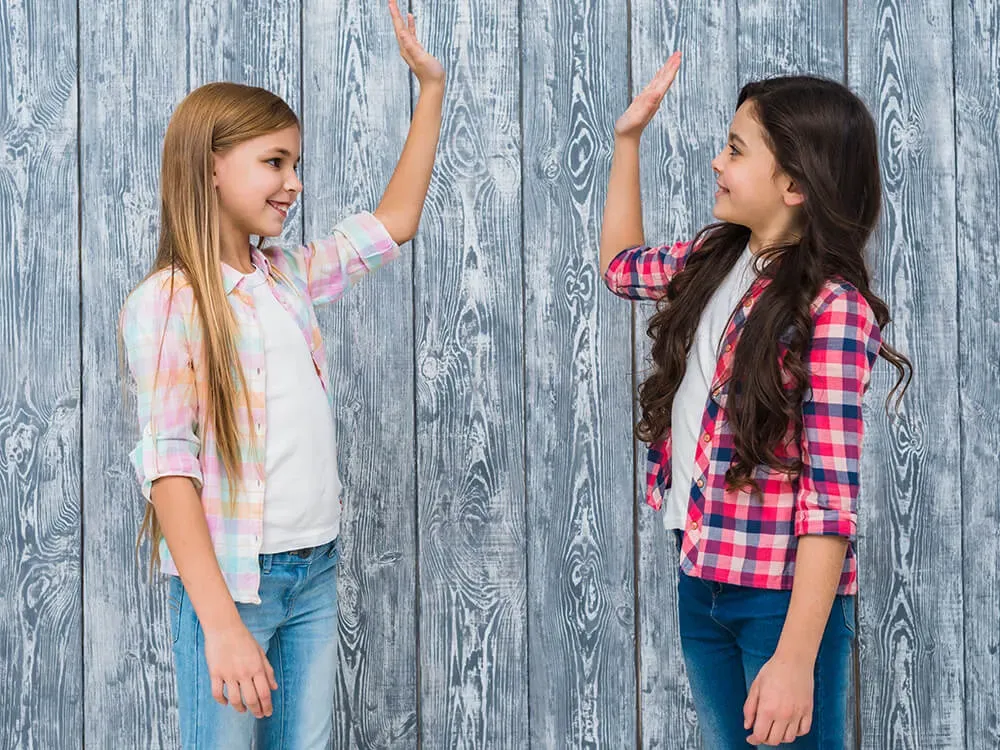
2. Friendship Skills
- Knowing how to introduce themselves
- Showing interest in others
- Learning to take turns and share
- Being kind and showing empathy
3. Emotional Intelligence
- Recognizing their own emotions
- Acknowledging and processing feelings appropriately
- Understanding others' perspectives
- Developing self-control in frustrating situations
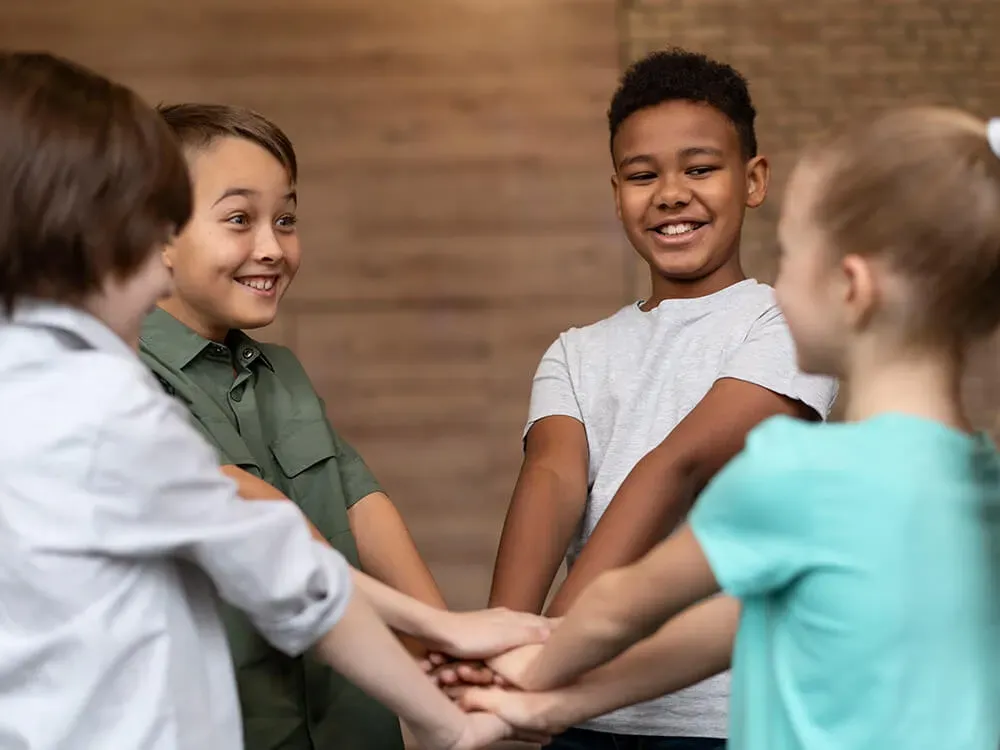
4. Cooperation
- Working together toward a common goal
- Following rules and instructions
- Compromising when necessary
- Being a good team player
5. Respect for Others
- Using good manners consistently
- Respecting boundaries and personal space
- Appreciating the similarities and differences in others
- Standing up for others when needed
6. Problem-Solving Skills
- Identifying issues in social situations
- Considering multiple solutions
- Making good choices independently
- Resolving conflicts peacefully
How to Help Your Child Build Social Skills at Home
The good news is that you don't need special training to help kids develop these abilities. Here are practical ways to foster social skill development through everyday interactions:
Model the Behavior You Want to See
Children learn by watching! When you demonstrate kindness, patience, and respectful communication with others, you're providing powerful lessons in social skills for kids.Try this: When conflicts arise with your partner or friends, let your child see you resolve them calmly and respectfully.
Create Opportunities for Practice
Social skills activities at home build a foundation for success in wider settings:
- Family game nights teach turn-taking and fair play
- Shared chores develop cooperation
- Family meetings provide practice in listening and expressing opinions
- Role-playing helps prepare for challenging situations
Use Daily Moments as Teaching Opportunities
Everyday situations provide natural chances to teach kids important lessons:
- When conflicts arise between siblings: "How could you solve this problem so you're both happy?"
- At the dinner table: "Please wait until your sister finishes her story before sharing yours."
- During playdates: "I noticed Sam looks sad. What could you do to help him feel better?"
Normalize Making Mistakes
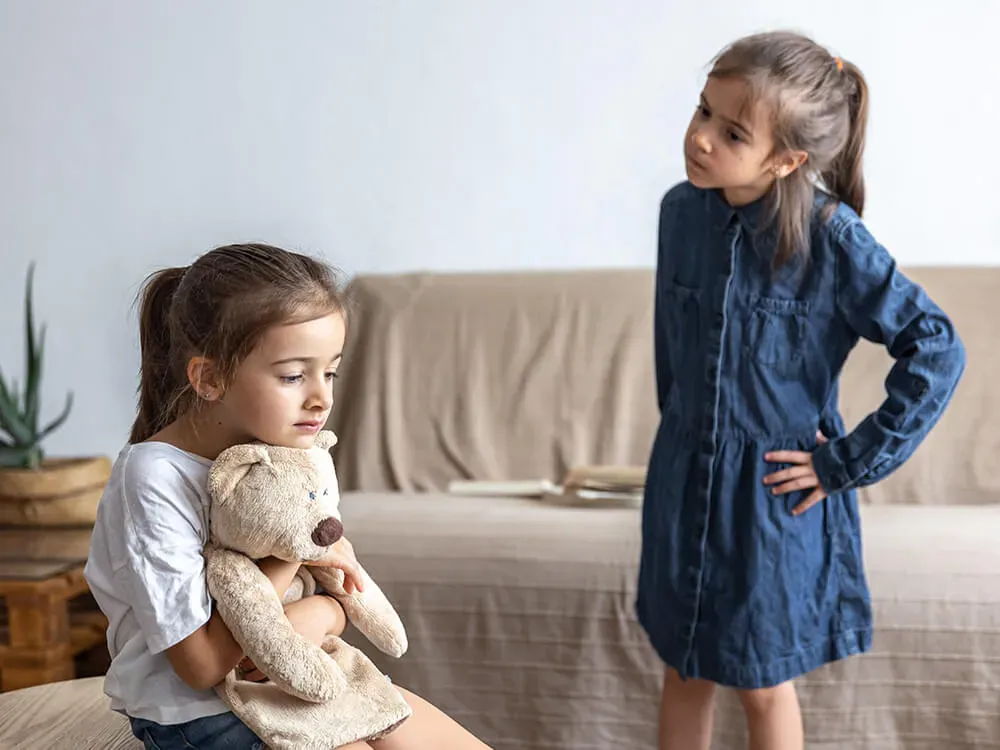
Mistakes are normal in social development. When your child makes a social error (and they will!), treat it as a learning opportunity rather than a failure."I saw you grabbed the toy from Emma.
I know you were excited to play with it. Next time, what could you say instead of taking it?"
Age-Specific Social Skills Activities to Try Today
Different ages require different approaches. Here are tailored activities to help your child develop age-appropriate social abilities:
For Preschoolers (3-5 years)
- Simon Says: This classic game helps children practice listening and following directions.
- Puppet Play: Use puppets to act out social scenarios like sharing toys or meeting new friends.
- Emotion Charades: Take turns acting out different feelings to help children recognize emotions in others.
- Sharing Circle: During playtime, practice taking turns sharing a favorite toy for increasingly longer periods.
For Elementary Kids (6-10 years)
- Board Games: Games like Candyland or Uno teach turn-taking, following rules, and handling both winning and losing gracefully.
- Friendship Recipe: Have your child create a "recipe" for being a good friend, listing "ingredients" like kindness, listening, and sharing.
- Role-Playing Scenarios: Practice what to say when joining a game, resolving a disagreement, or making a new friend.
- Teamwork Challenges: Set up simple tasks that require working together, like building a fort or preparing a meal.
For Tweens (11-12 years)
- Group Projects With Purpose: Work on community service activities that require cooperation and communication.
- Social Situation Cards: Create cards with scenarios ("Someone makes fun of your friend") and discuss appropriate responses.
- Mindfulness Exercises: Practice being present and aware of others' feelings through simple meditation or breathing exercises.
- Media Analysis: Watch shows together and discuss characters' social choices and their consequences.
Helping Children With Specific Social Challenges
Some children need extra support in developing social skills they need. Here's how to help children with common struggles:
For the Shy Child
- Start with small, comfortable social settings
- Prepare them for new situations by explaining what to expect
- Practice introductions and conversation starters
- Celebrate small steps toward social confidence
For the Impulsive Child
- Teach pause-and-think strategies
- Practice using "inside voice" versus "outside voice"
- Create simple reminders for social rules
- Recognize and celebrate moments of good self-control
For Children with Difficulty Sharing
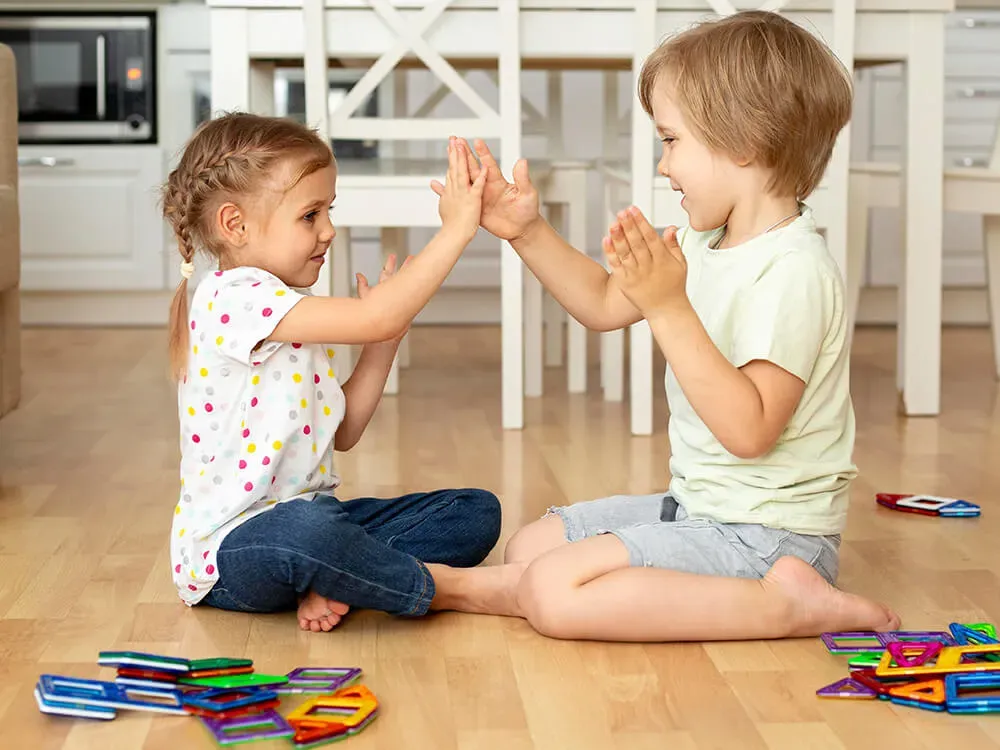
- Use visual timers for turn-taking
- Practice sharing in low-stress situations first
- Acknowledge that sharing can be hard
- Praise specific moments of generosity
For Children Who Struggle Reading Social Cues
- Explicitly teach facial expressions and their meanings
- Point out body language in books and real life
- Use social stories that explain unwritten rules
- Practice through role-play and gentle coaching
Supporting Children with Special Needs
Children with autism and other developmental differences may need additional support with social skill development.
Consider:
- Breaking skills into smaller, manageable steps
- Using visual supports and social stories
- Providing extra practice and reinforcement
- Seeking support from a school counselor or therapist who specializes in social skills training
Remember that many children with special needs have wonderful social abilities—they may just communicate and connect in different ways.
How to Recognize Progress in Your Child's Social Skills
Look for these signs that your efforts to improve your child's social skills are working:
- They recover more quickly from disappointments
- They're more willing to try new social situations
- They talk about friends more positively
- They resolve conflicts with less adult intervention
- They show greater empathy toward others
- They demonstrate improved self-control in frustrating situations
Resources to Support Social Skill Development
Books About Social Skills
Social skills books can be wonderful tools to reinforce concepts:
- "How to Be a Friend: A Guide to Making Friends and Keeping Them" by Laurie Krasny Brown
- "What Should Danny Do?" by Ganit & Adir Levy
- "Personal Space Camp" by Julia Cook
Activities and Games
Look for games specifically designed to promote social interaction:
- Cooperative board games like "Hoot Owl Hoot"
- Feelings flashcards
- Social skills-focused card games
Professional Support
If your child continues to struggle despite your best efforts, consider reaching out to:
- Your child's teacher or school counselor
- A child psychologist specializing in social development
- Social skills groups in your community
The Impact of the Pandemic on Social Skills
The COVID-19 pandemic created unique challenges for social skill development. Many children experienced limited in-person interactions during crucial developmental periods.If you notice your child is struggling post-pandemic:
- Be patient and supportive
- Create low-pressure opportunities to practice
- Normalize any anxiety about social situations
- Gradually increase social exposure
- Communicate with teachers about your concerns
Remember: You're Their Most Important Teacher
As a parent or caregiver, you have incredible influence on your child's social development. The time you invest in helping them navigate social waters pays dividends throughout their life.Even on days when progress seems slow, your consistent guidance helps your child develop the skills necessary to form meaningful connections with others.
Building Skills That Last a Lifetime
When you help your child build strong social skills for kids, you're not just making their childhood happier—you're setting them up for lifelong success. These skills will help them form friendships in school, navigate team dynamics at work, and eventually build their own families.The effort you put into teaching these essential skills today creates a foundation for your child to achieve their goals and find fulfillment through meaningful human connections.
Looking for quality childcare that supports social development?
Visit KinderPage—Canada's premier directory for connecting families with programs that nurture your child's growth.What social skill has your child been working on lately? Share your experiences and questions—we'd love to hear from you!
About the Author
Mary Abbasi
Contributing writer at KinderPage, sharing insights about childcare and early childhood education in Canada.
Frequently Asked Questions
What are social skills for kids?
Why are social skills important for a child's development?
What are the most important social skills to teach kids?
How can parents teach social skills at home?
At what age do children start developing social skills?
What are some common signs that a child is struggling with social skills?
What activities can help improve a child's social skills?
Related Articles
Continue reading about childcare and early education


