

Summer Camp Success: Marketing and Planning Tips for Providers

What Makes the Difference Between a Good Summer Camp and an Unforgettable One That Families Return to Year After Year?
The answer lies in strategic summer camp planning tips that transform ordinary day camps into extraordinary experiences. As a childcare provider, you're not just organizing activities—you're crafting memories, fostering personal growth, and building the foundation for your camp's success in an increasingly competitive market.Every summer brings new challenges and opportunities for camp organizers. With families seeking more than just supervision, today's summer camp experience must deliver meaningful engagement, safety, and value that justifies their investment.
Whether you're launching your first summer program or enhancing an existing one, this comprehensive guide will equip you with proven strategies to create a well-organized summer camp that stands out from the competition.From early planning processes to effective marketing techniques, we'll explore how to build a memorable camp experience that not only attracts families but keeps them coming back season after season. The childcare landscape across Canada is evolving, and providers who master these essential strategies will position themselves as leaders in their communities.
Summer Camp Planning Tips: Building Your Foundation for Success
Successful summer camp planning begins long before the first camper arrives. The planning process serves as the backbone of your entire operation, determining everything from staff quality to activity effectiveness. A well-structured approach to planning a summer camp ensures that every element works together harmoniously, creating a seamless camp experience that delights families and supports your business goals.
The most effective camp directors understand that comprehensive planning isn't just about logistics—it's about creating a vision for what your camp will become. This vision guides every decision, from hiring enthusiastic staff members to designing activities that cater to different age groups. When your planning process is thorough and strategic, it shows in every aspect of your camp operation, from the registration process to the final day celebration.
Start Your Planning Process Early
The most successful camp directors begin their comprehensive planning process at least three to six months before camp starts. This timeline allows you to secure the right staff, develop engaging camp activities, and create marketing materials that effectively communicate your camp's unique value proposition.
Early planning also gives you the flexibility to adapt to changing circumstances and market conditions. During this phase, you'll establish your camp's identity, determine your target audience, and create the framework that will guide all future decisions. The American Camp Association recommends this extended planning timeline to ensure quality and safety standards are met consistently.

Key early planning elements include:
- Budget allocation: Determine costs for staff members, supplies, insurance, and marketing
- Program framework: Design age-appropriate activities catering to different age groups
- Staff recruitment: Begin hiring enthusiastic staff members who align with your camp's mission
- Facility preparation: Ensure your space can accommodate diverse activities and safety requirements
- Partnership development: Connect with local organizations and suppliers for enhanced programming
Develop Your Summer Camp Checklist
A detailed summer camp checklist serves as your roadmap throughout the camp planning process. This essential tool helps camp staff stay organized and ensures nothing falls through the cracks during the busy summer months. Your checklist should be comprehensive yet flexible, allowing for adjustments while maintaining consistency in quality and safety standards.
The most effective checklists are organized by timeline and responsibility, making it easy for different team members to understand their roles in the overall camp's success. This systematic approach reduces stress during busy periods and ensures that every aspect of camp life receives appropriate attention.
Essential checklist categories:
- Registration and enrollment: Set up online registration systems and streamline the registration process
- Safety protocols: Establish emergency procedures and staff training requirements
- Activity planning: Create detailed schedules for summer activities across different age groups
- Supply inventory: Stock arts and crafts materials, outdoor equipment, and first aid supplies
- Communication systems: Prepare parent communication templates and feedback collection methods
Creating Exceptional Summer Camp Activities and Programs
The heart of any great camp lies in its programming. Summer camp activities must strike the perfect balance between fun and learning, challenge and safety, structure and creativity. Today's families expect more than basic supervision—they want their children to develop essential life skills, make new friends, and create unforgettable memories that will last a lifetime.
Modern summer camp programs recognize that campers' ages and individual interests vary dramatically, requiring diverse activities that engage everyone meaningfully.
The best camp experiences offer something for every child, from the shy introvert who loves arts and crafts to the adventurous extrovert who thrives on outdoor challenges. This diversity in programming is what transforms a regular day camp into a favorite summer camp that families eagerly anticipate each year.
Effective activity planning also considers the overall camp flow, ensuring that high-energy activities are balanced with quieter moments, and that transitions between different experiences are smooth and purposeful. When activities are well-designed and thoughtfully sequenced, they create a natural rhythm that supports both individual camper development and group cohesion.
Design Age-Appropriate Camp Adventures
Understanding campers' ages is crucial for planning a summer camp that engages every participant. Younger kids thrive with structured activities that build essential life skills, while older kids seek more independence and challenging experiences. The key is creating programming that grows with your campers, offering appropriate challenges that promote personal growth without overwhelming participants.Age-appropriate programming also considers developmental milestones and social dynamics.

Younger children need more guidance and shorter activity periods, while older kids can handle longer projects and more complex team-building exercises.
This understanding helps camp counselors create meaningful experiences that resonate with each age group's unique needs and interests.
Activity frameworks by age group:
- Ages 4-6: Simple arts and crafts, nature scavenger hunts, and basic team-building exercises
- Ages 7-9: More complex projects, obstacle courses, and collaborative games
- Ages 10-12: Leadership opportunities, advanced outdoor challenges, and skill-building workshops
- Multi-age activities: Buddy systems, mentorship programs, and inclusive games
Incorporate Outdoor Learning Experiences
Modern families increasingly value camps that combine fun with learning. Outdoor learning activities provide campers with hands-on experiences while connecting them to nature and fostering environmental awareness. These experiences often become the most memorable parts of the camp adventure, creating lasting connections between children and the natural world.
Outdoor learning also supports physical development and mental health, giving children opportunities to explore, discover, and challenge themselves in natural settings. The benefits extend beyond the camp experience, helping children develop confidence, problem-solving skills, and environmental stewardship that serves them throughout life.
Engaging outdoor learning ideas:
- STEM exploration: Nature-based science experiments and discovery activities
- Environmental education: Garden projects and wildlife observation
- Physical challenges: Hiking, nature obstacle courses, and outdoor games
- Creative expression: Outdoor art projects using natural materials
- Survival skills: Age-appropriate camping and outdoor living skills
Plan for Weather Contingencies
Every great camp needs backup plans. Weather shouldn't derail your carefully planned summer camp experience. Having indoor alternatives ensures seamless camp operations regardless of conditions. Effective weather planning demonstrates professionalism and helps maintain the positive camp atmosphere even when outdoor activities aren't possible.Weather contingency planning also involves having the right equipment and supplies available for different conditions. This might include rain gear, indoor activity materials, and flexible scheduling systems that can accommodate rapid changes in weather conditions.
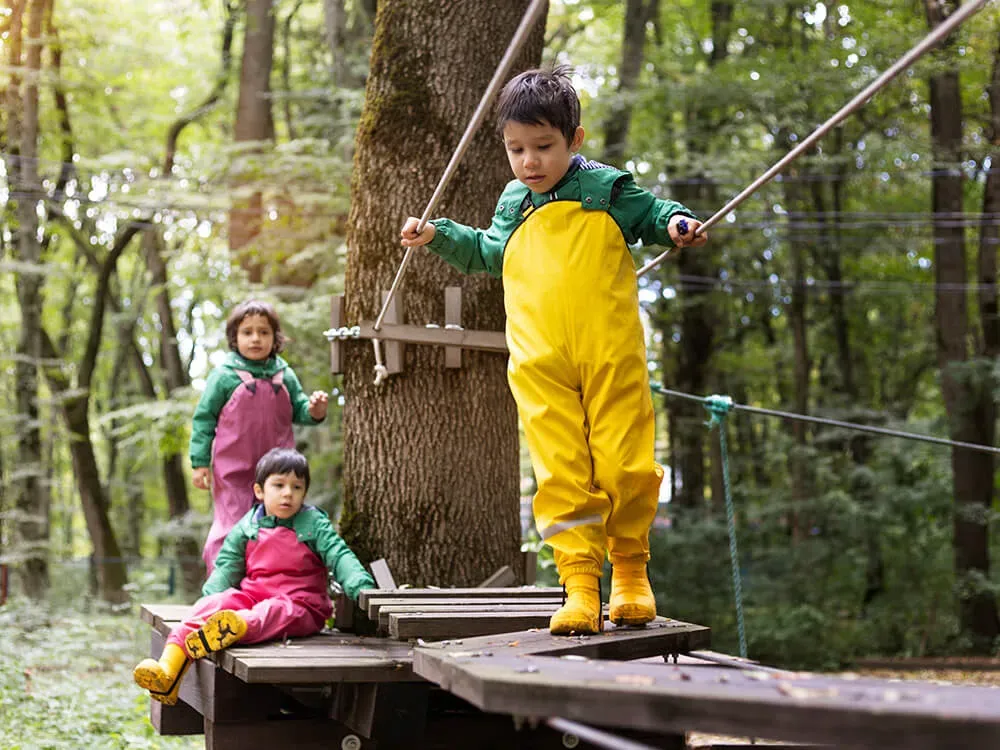
Weather-ready strategies:
- Flexible scheduling: Design activities that can move indoors or outdoors
- Indoor activity bank: Maintain a collection of engaging indoor alternatives
- Space utilization: Maximize your indoor spaces for rainy day activities
- Communication protocols: Keep parents informed about weather-related changes
Effective Marketing Strategies for Summer Camp Enrollment
Marketing your summer camp effectively requires a deep understanding of what today's families value most. Parents aren't just looking for childcare—they're seeking experiences that will enrich their children's lives, provide safe environments for growth, and offer value that justifies their investment. Your marketing strategy must communicate these benefits clearly while differentiating your camp from the competition.The most successful camp marketing combines digital strategies with traditional community engagement, creating multiple touchpoints where families can learn about your program.
This multi-channel approach ensures that you reach families regardless of how they prefer to research and evaluate childcare options. Remember, choosing a summer camp is often an emotional decision for parents, so your marketing must appeal to both practical concerns and emotional desires.In today's digital age, your online presence often serves as the first impression families have of your camp. However, personal recommendations and community connections remain powerful influences in the decision-making process. The most effective marketing strategies leverage both digital tools and community relationships to build trust and credibility with prospective families.
Build Your Digital Presence
Today's families research summer camps online before making decisions. Your camp websites and social media presence are often the first impression families have of your program. A professional, informative online presence builds credibility and helps families understand what makes your camp special.Digital marketing also allows you to showcase your camp's personality and values in ways that traditional marketing cannot. Through photos, videos, and testimonials, you can help families visualize their children's experience and connect emotionally with your program before they even visit.
Digital marketing essentials:
- Website optimization: Create compelling content that showcases your camp experience
- Social media engagement: Share photos and testimonials from previous summers
- Email campaigns: Develop targeted messages for different family segments
- Online reviews: Encourage satisfied families to share their experiences
- Video content: Create virtual tours and activity demonstrations
Leverage Community Connections
Strong community relationships help build trust and credibility for your summer camp program. Local partnerships can provide valuable resources and expand your reach to new families. Community engagement also demonstrates your commitment to the local area and helps establish your camp as a valued community resource.Building these relationships takes time and consistent effort, but the payoff is significant. When local schools, businesses, and organizations know and trust your program, they become powerful advocates who can influence family decisions and provide referrals.
Community engagement tactics:
- School partnerships: Connect with local schools to reach families directly
- Local business collaborations: Partner with complementary businesses for cross-promotion
- Community events: Participate in local fairs and family-focused gatherings
- Referral programs: Incentivize existing families to refer friends and neighbors
- Professional networking: Connect with other childcare providers through platforms like kinderpage
Showcase Your Camp's Unique Value
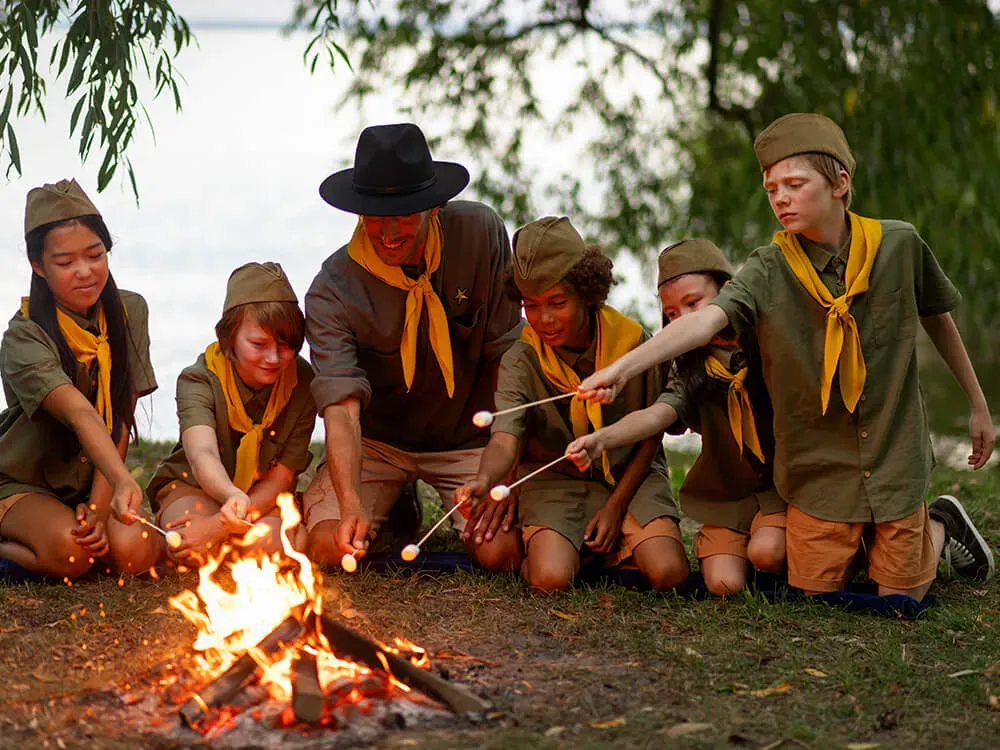
With numerous summer camp options available, families need clear reasons to choose your program. Effective marketing highlights what makes your camp special and addresses parents' primary concerns. This differentiation is crucial in competitive markets where families have multiple options.Your unique value proposition should be based on genuine strengths and authentic experiences you provide. Whether it's your experienced staff, innovative programming, or strong safety record, these differentiators must be communicated consistently across all marketing channels.
Key messaging strategies:
- Safety first: Emphasize your safety protocols and trained staff
- Developmental benefits: Explain how campers develop essential life skills
- Community building: Show how your camp helps children make new friends
- Qualified staff: Highlight your counselor qualifications and training
- Unique programming: Showcase special activities or learning opportunities
Operational Excellence: Running a Successful Summer Camp
Operational excellence is what separates good camps from great ones. It's the difference between a camp that simply entertains children and one that creates transformative experiences that families remember for years. Excellence in operations touches every aspect of camp life, from the moment families first contact you through the final day celebration.Running a successful summer camp requires attention to countless details while maintaining focus on the bigger picture of creating meaningful experiences for campers.
This balance between operational efficiency and programmatic excellence is what allows camp directors to create environments where children thrive, staff feel supported, and families feel confident in their choice.The most successful camps develop systems and processes that support their mission while remaining flexible enough to adapt to changing circumstances. These operational foundations allow creative programming to flourish while ensuring safety, quality, and consistency throughout the camp experience.
Streamline Daily Operations
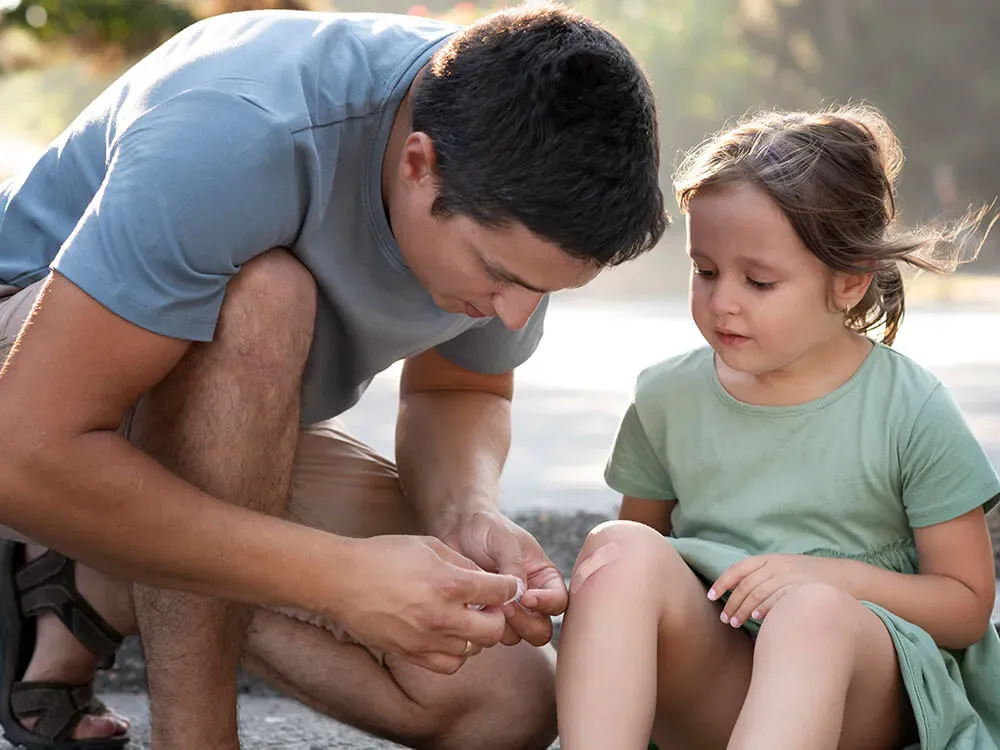
Efficient daily operations create a positive experience for campers, staff, and parents. Well-organized systems reduce stress and allow everyone to focus on what matters most—creating unforgettable memories. When operations run smoothly, it shows in the energy and enthusiasm of both staff and campers.Streamlined operations also improve safety by reducing chaos and confusion. Clear systems help staff members know exactly what to do in various situations, from routine transitions to emergency procedures. This organization creates a calm, secure environment where children can focus on having fun and learning.
Operational best practices:
- Check-in/check-out systems: Implement secure, efficient processes for daily transitions
- Activity rotations: Design smooth transitions between different camp activities
- Staff coordination: Establish clear communication channels among team members
- Emergency procedures: Ensure all staff members know and practice safety protocols and first aid procedures
- Documentation systems: Maintain accurate records for health, safety, and program evaluation
Foster a Sense of Community
The best summer camps create environments where campers feel welcomed, valued, and connected to their fellow campers. This sense of community is what transforms a regular camp into a favorite summer camp experience. Community building happens through intentional programming, positive staff modeling, and creating opportunities for meaningful connections.A strong camp community also extends beyond the campers to include families and staff. When everyone feels connected to the camp's mission and values, it creates a supportive environment that enhances the experience for everyone involved.
Community-building strategies:
- Welcome activities: Start each session with inclusive ice-breakers
- Team traditions: Create special rituals and camp songs
- Peer mentorship: Pair older kids with younger campers
- Celebration rituals: Acknowledge achievements and milestones
- Family involvement: Include parents in camp activities and communications
Maintain High Safety Standards
Safety is non-negotiable in summer camp operations. Parents trust you with their most precious assets, and maintaining rigorous safety standards protects everyone while building your reputation. Safety excellence requires constant vigilance, regular training, and systems that prevent problems before they occur.Comprehensive safety planning also includes emotional and social safety, ensuring that all campers feel secure and supported throughout their camp experience. This holistic approach to safety creates an environment where children can take appropriate risks, try new things, and grow in confidence.
Safety priorities:
- Staff training: Ensure all counselors are properly trained in emergency procedures
- Health monitoring: Track camper wellness and communicate with parents about any concerns
- Equipment maintenance: Regularly inspect and maintain all camp equipment
- Documentation: Keep detailed records of incidents and safety protocols
- Continuous improvement: Regularly review and update safety procedures
Measuring and Improving Your Camp's Success
Continuous improvement is essential for maintaining excellence in summer camp operations. The best camps regularly evaluate their performance, gather feedback from all stakeholders, and make data-driven decisions about program enhancements. This commitment to improvement ensures that your camp continues to meet families' evolving needs and expectations.Measuring success goes beyond simple enrollment numbers or financial metrics. True success in camping is measured by the impact you have on children's lives, the satisfaction of families, and the development of your staff.
These qualitative measures are often more important than quantitative ones in determining long-term success.Effective evaluation systems provide insights that help you make informed decisions about program changes, staff development, and resource allocation. When you understand what's working well and what needs improvement, you can make targeted adjustments that enhance the overall camp experience.
Track Key Performance Indicators
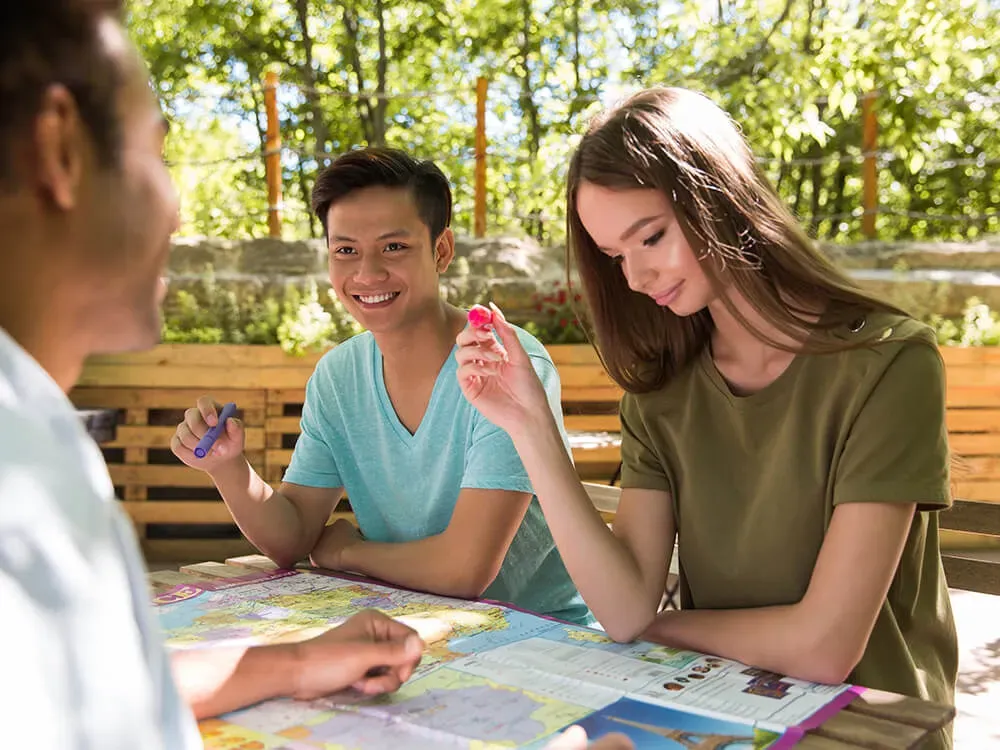
Understanding your camp's performance helps you make data-driven improvements for future seasons. Regular evaluation ensures your summer camp continues to meet families' evolving needs. Key performance indicators should reflect both operational efficiency and program quality.Tracking these metrics consistently over time allows you to identify trends, celebrate successes, and address challenges proactively. The most valuable metrics are those that directly relate to your camp's mission and goals.
Important metrics to monitor:
- Enrollment numbers: Track registration trends and capacity utilization
- Retention rates: Measure how many families return each year
- Parent satisfaction: Collect feedback on all aspects of the camp experience
- Staff performance: Evaluate counselor effectiveness and job satisfaction
- Safety records: Monitor incidents and near-misses to improve procedures
Collect and Act on Feedback
Continuous improvement depends on honest feedback from all stakeholders. Creating multiple feedback channels ensures you capture diverse perspectives on your camp's strengths and areas for improvement. The most valuable feedback often comes from unexpected sources, so maintaining open communication channels is essential.Acting on feedback demonstrates your commitment to excellence and shows families that their opinions matter. When families see that their suggestions lead to positive changes, they become more invested in your camp's success and more likely to recommend your program to others.
Feedback collection methods:
- Parent surveys: Send detailed questionnaires at the end of each session
- Camper interviews: Talk with children about their favorite activities and experiences
- Staff debriefs: Regular team meetings to discuss challenges and successes
- Community input: Seek feedback from local partners and referral sources
- Online reviews: Monitor and respond to online feedback platforms
Transform Your Summer Camp Into a Community Favorite
Creating a successful summer camp requires careful planning, dedicated execution, and continuous improvement. By implementing these summer camp planning tips, you'll build a program that not only meets families' immediate needs but creates lasting memories and meaningful connections. The investment you make in thorough planning and quality programming will pay dividends in family satisfaction, community reputation, and business success.
Remember that the most memorable camps are those that foster personal growth, encourage new friendships, and provide safe spaces for children to explore their interests.
Your role as a camp director extends beyond organizing activities—you're helping shape young lives and creating experiences that families will cherish for years to come. This responsibility is both challenging and rewarding, requiring dedication, creativity, and a genuine love for working with children.
The summer camp industry continues to evolve, with families seeking increasingly sophisticated programs that combine fun with learning, safety with adventure, and structure with creativity. By staying current with trends, maintaining high standards, and consistently delivering exceptional experiences, your camp can become the program that families eagerly anticipate each year.
Ready to take your summer camp planning to the next level? Maximize your camp's visibility and reach more families by claiming your provider page on kinderpage, Canada's trusted childcare directory. This platform helps parents across the country find quality childcare providers like you, allowing you to showcase your summer camp programs, highlight your unique offerings, and connect directly with families searching for the perfect summer experience for their children.
Start implementing these strategies today, and watch as your summer camp becomes the talk of the community—the one that families eagerly anticipate each year and recommend to their friends. Your dedication to excellence in camp planning and execution will create ripple effects that benefit not just your business, but the entire community you serve. The children who attend your camp will carry these positive experiences with them, potentially influencing their own future choices as parents and community members.
About the Author
Mary Abbasi
Contributing writer at KinderPage, sharing insights about childcare and early childhood education in Canada.
Frequently Asked Questions
When should I start my summer camp planning process?
How do I create engaging activities for different age groups?
What qualifications should my summer camp staff have?
What marketing strategies work best for summer camp enrollment?
How do I ensure safety and handle emergencies at my summer camp?
Related Articles
Continue reading about childcare and early education


